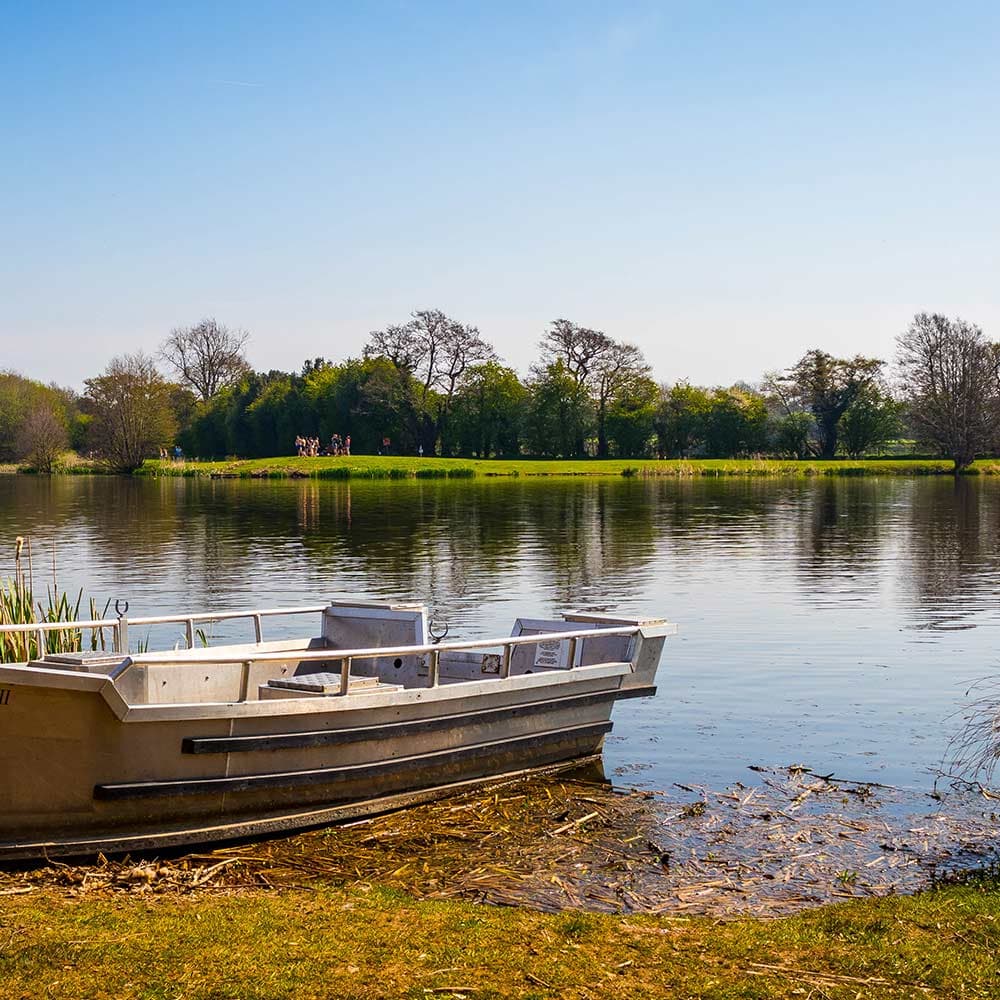
Discover life in Whitchurch, Hampshire, including its market-town centre, River Test setting, homes, schools, railway station and nearby Bourne Valley villages.

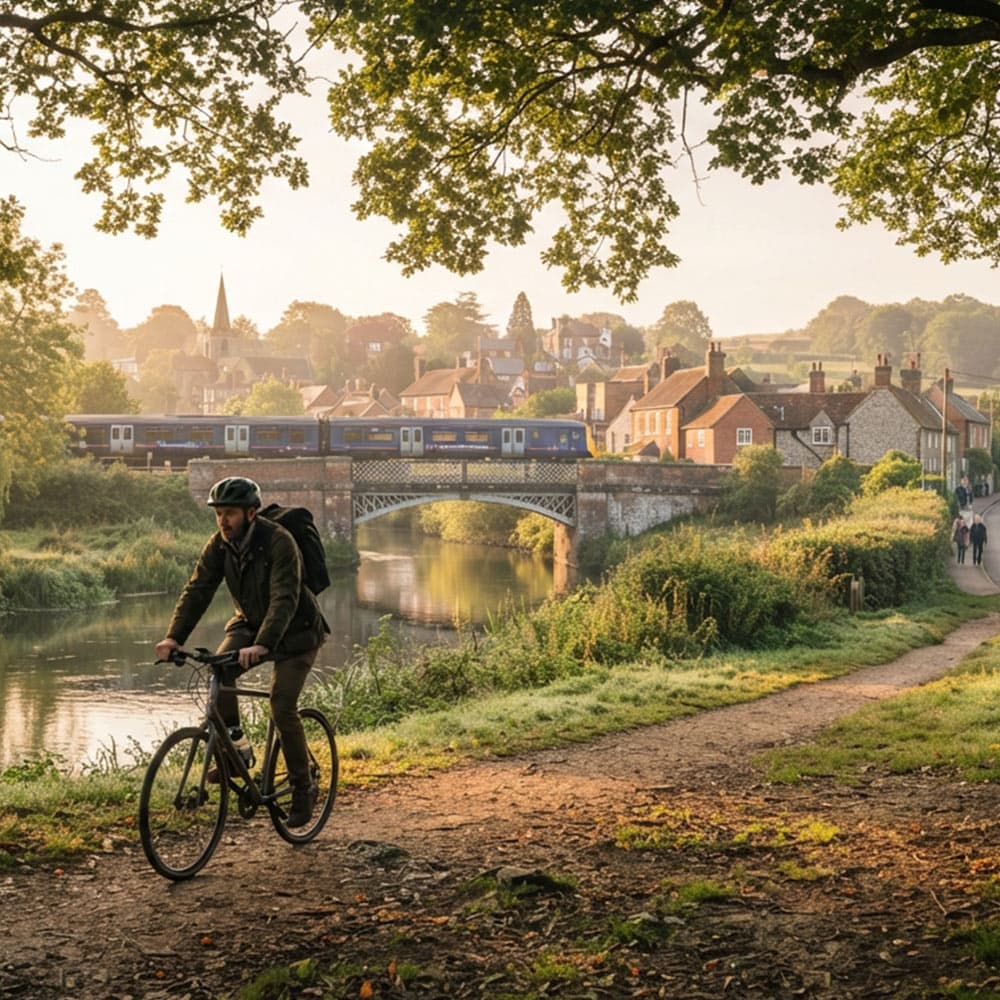
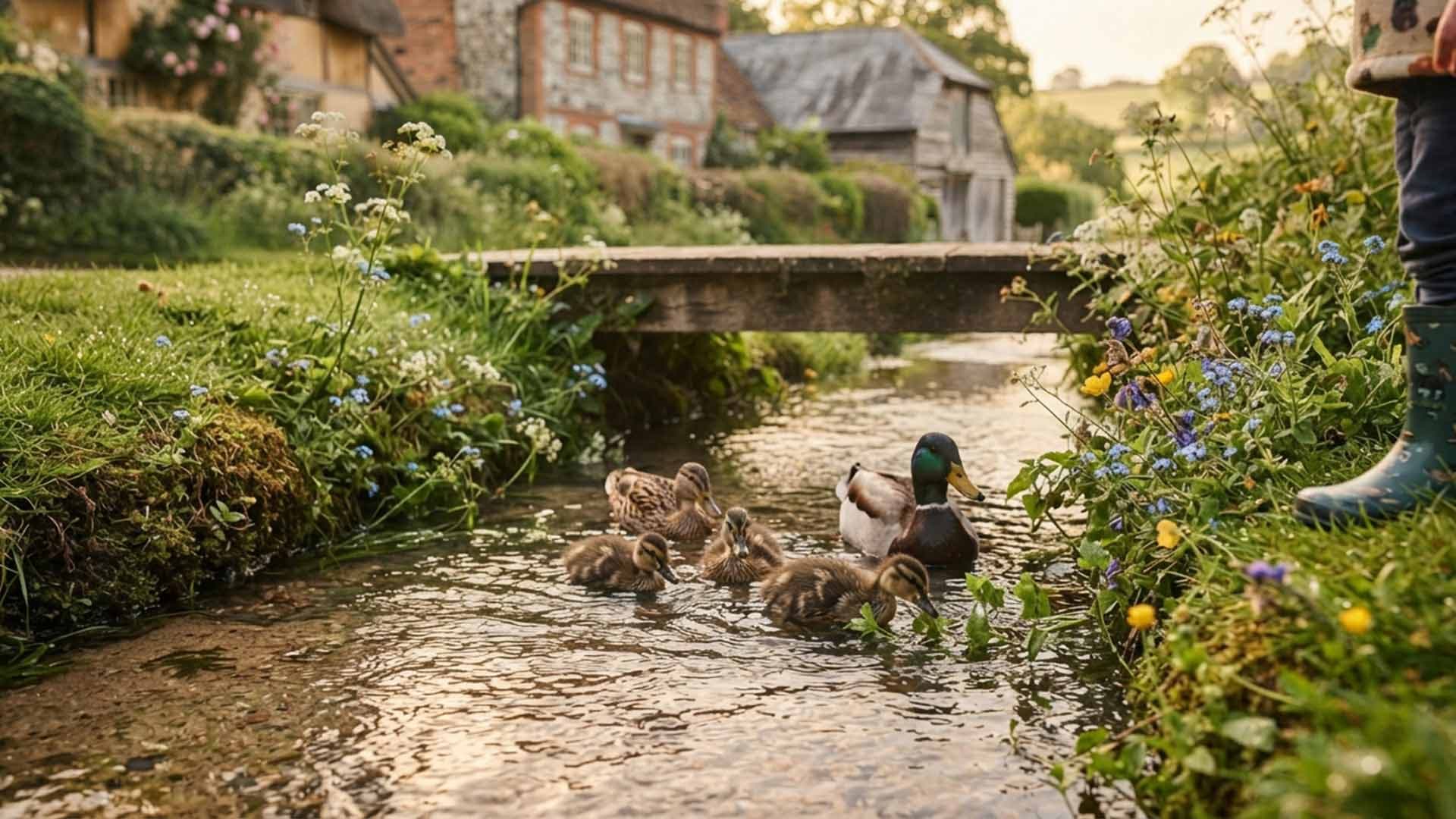
Whitchurch is a small Hampshire market town rather than a village, and that distinction is an important part of its appeal. It has a recognisable town centre, everyday shops, primary and secondary schools and its own railway station, while the River Test, chalk downs and surrounding villages keep the countryside close.
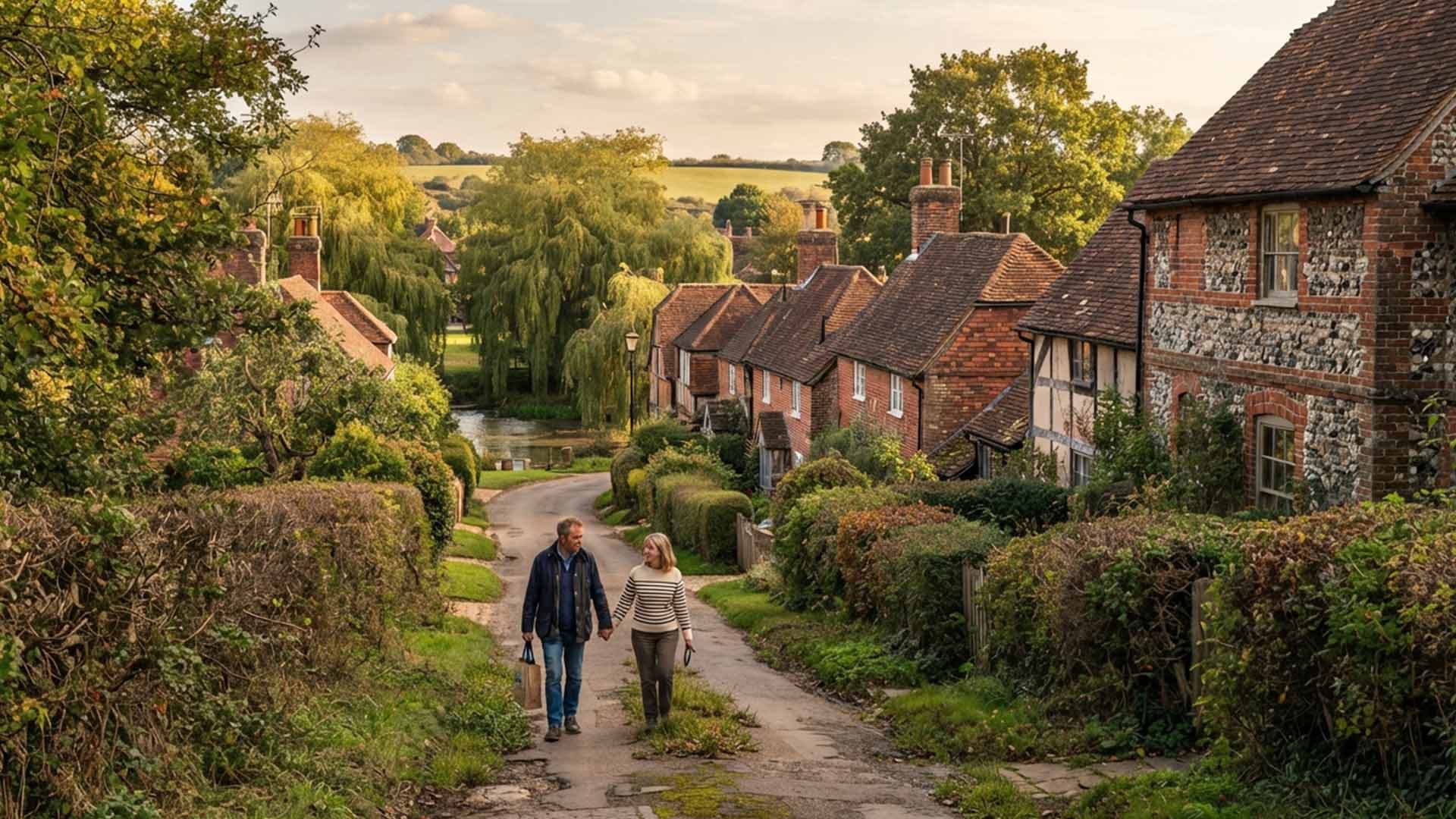
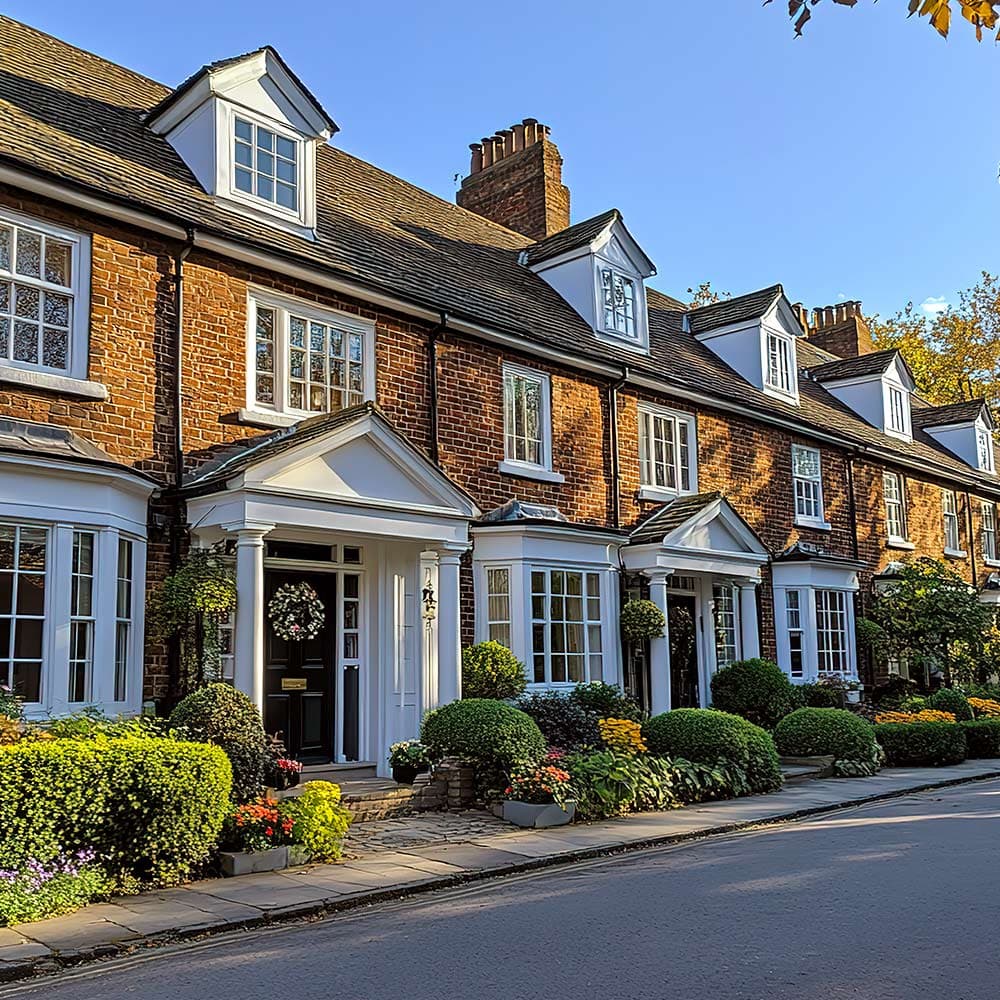
Buyers can choose between period homes in the historic centre, established family neighbourhoods, modern developments and cottages or individual houses in the nearby Test and Bourne valleys.

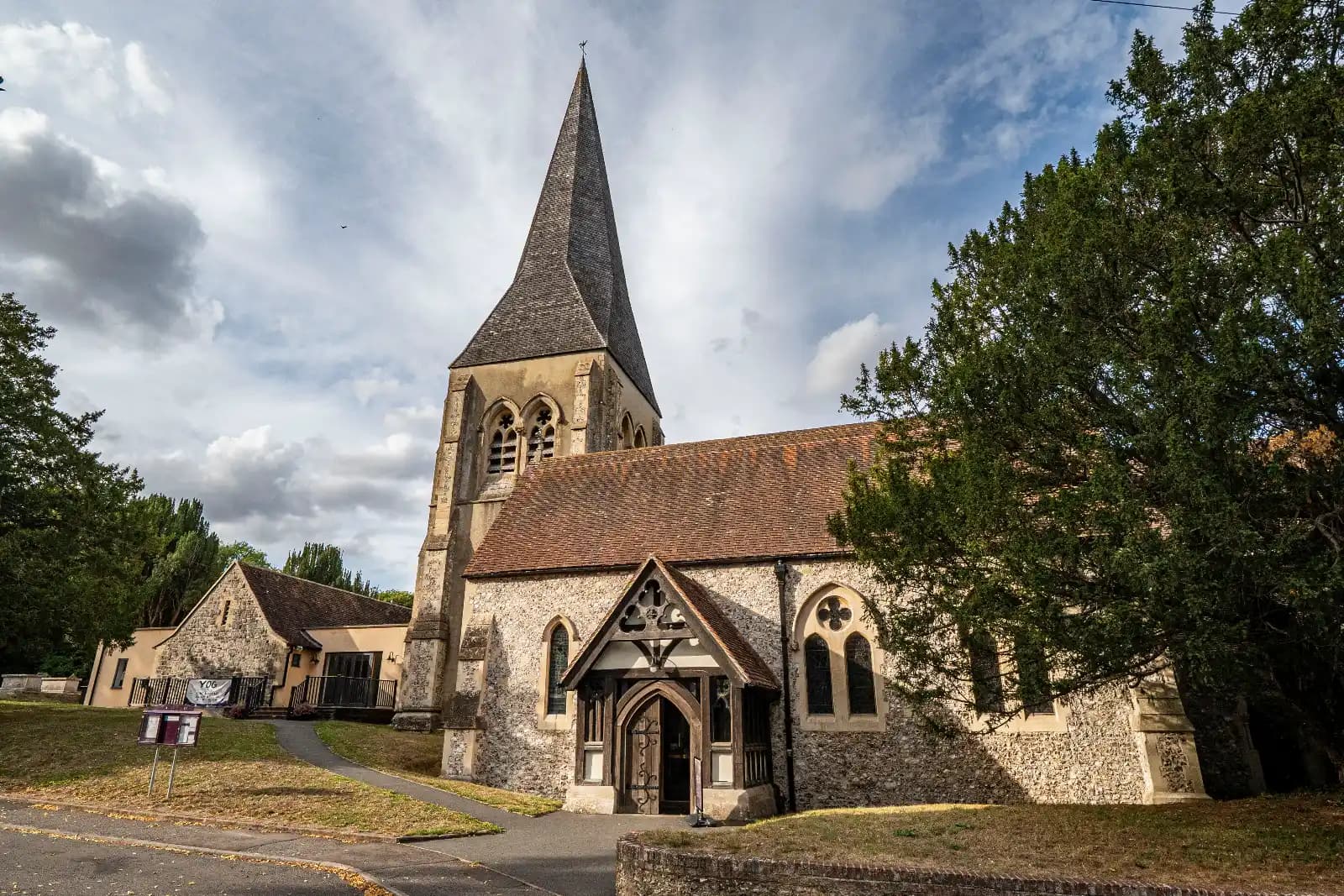
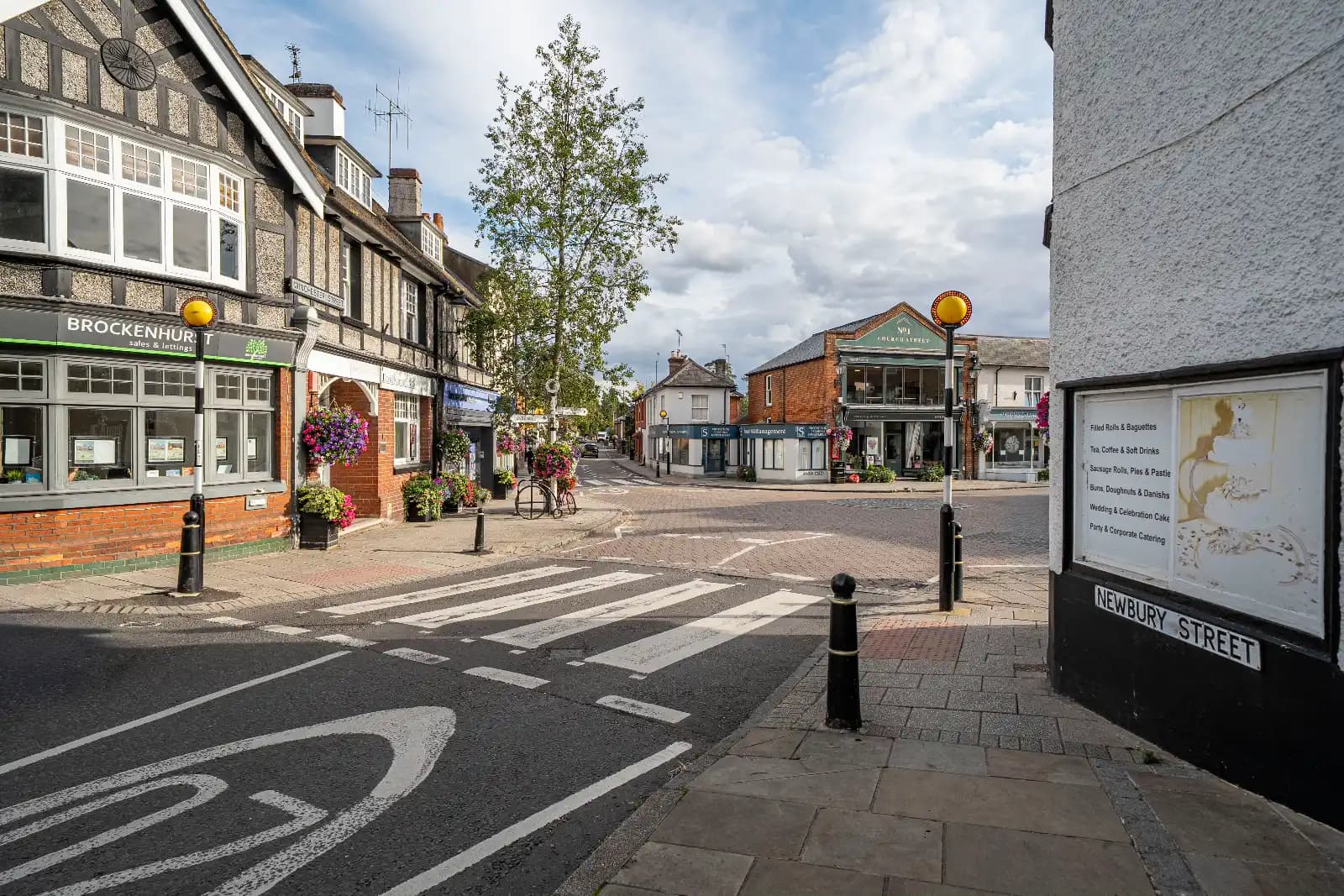
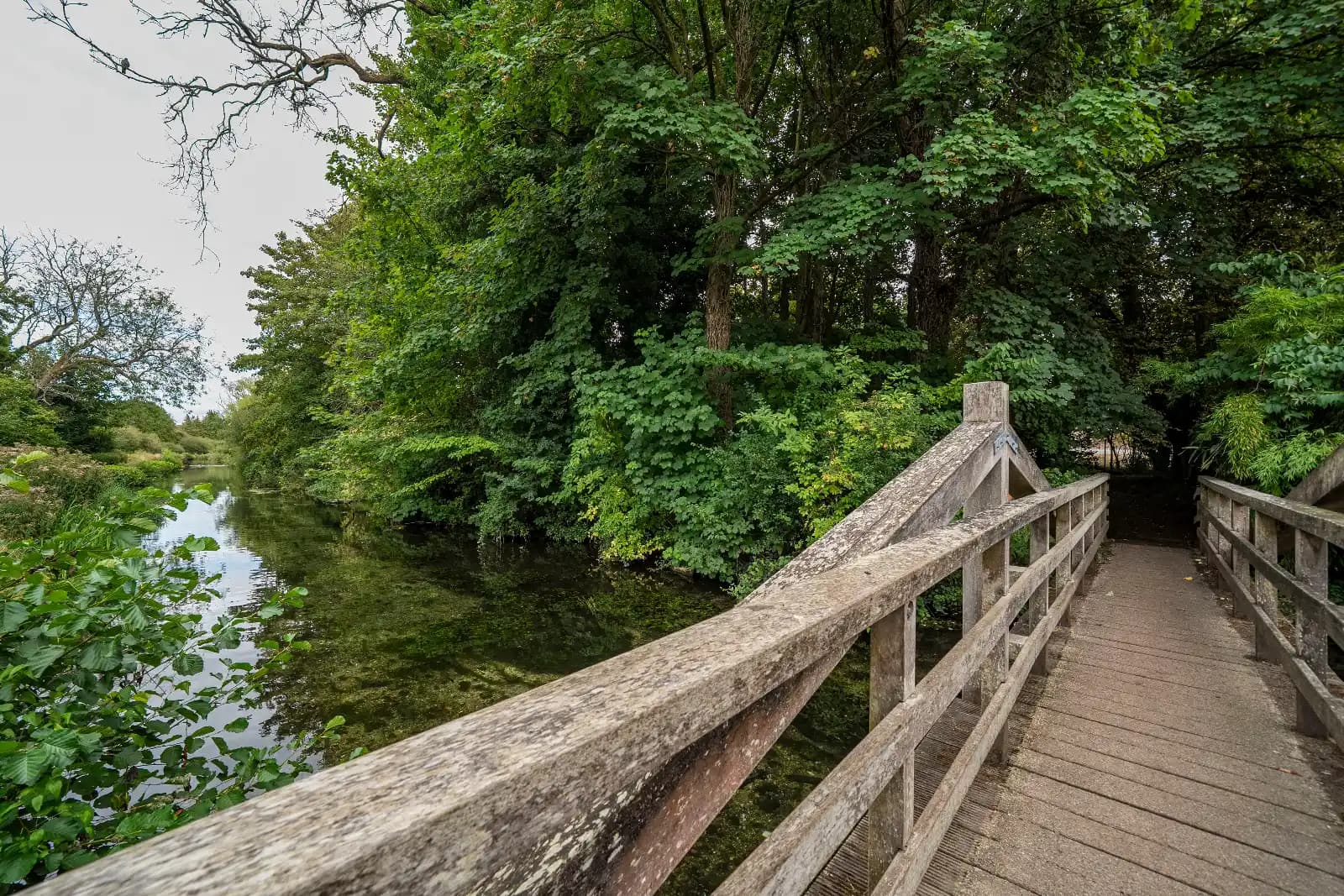
Whitchurch sits where historic routes meet the River Test. Bell Street, London Street, Newbury Street and Church Street form a compact centre of traditional shopfronts, former inns, cottages and townhouses. The Town Hall, All Hallows Church and Whitchurch Silk Mill are among its most recognisable landmarks. The character changes noticeably across the town, from the enclosed streets of the historic centre to the church surroundings, riverside areas and greener approaches around Lynch Hill and London Road.
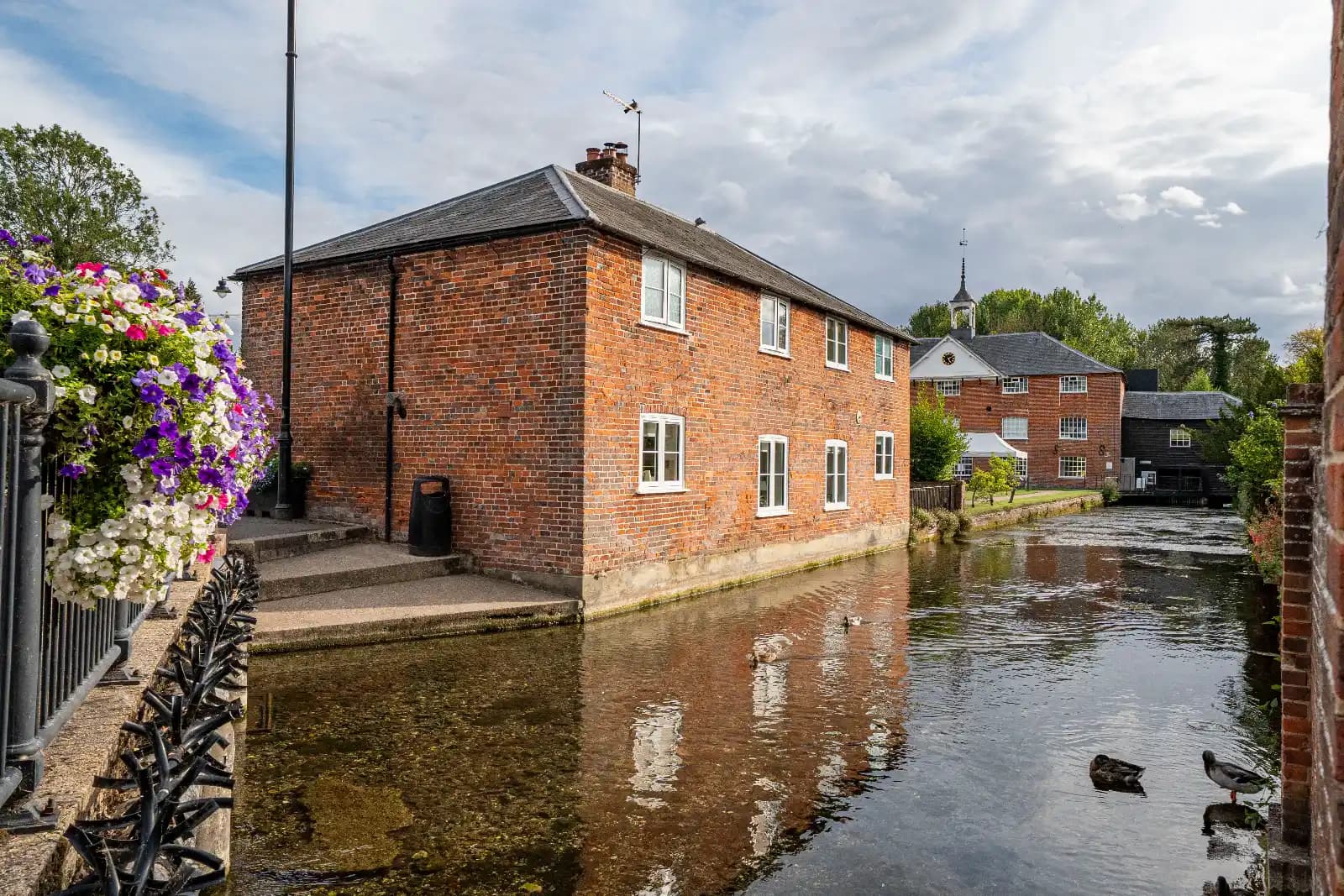
Whitchurch Silk Mill is an important part of the town’s identity. Built in the early 19th century beside the River Test, it remains a working silk mill and visitor attraction. This industrial heritage gives Whitchurch a character that differs from both Oakley’s large village setting and Overton’s position farther along the Test Valley.

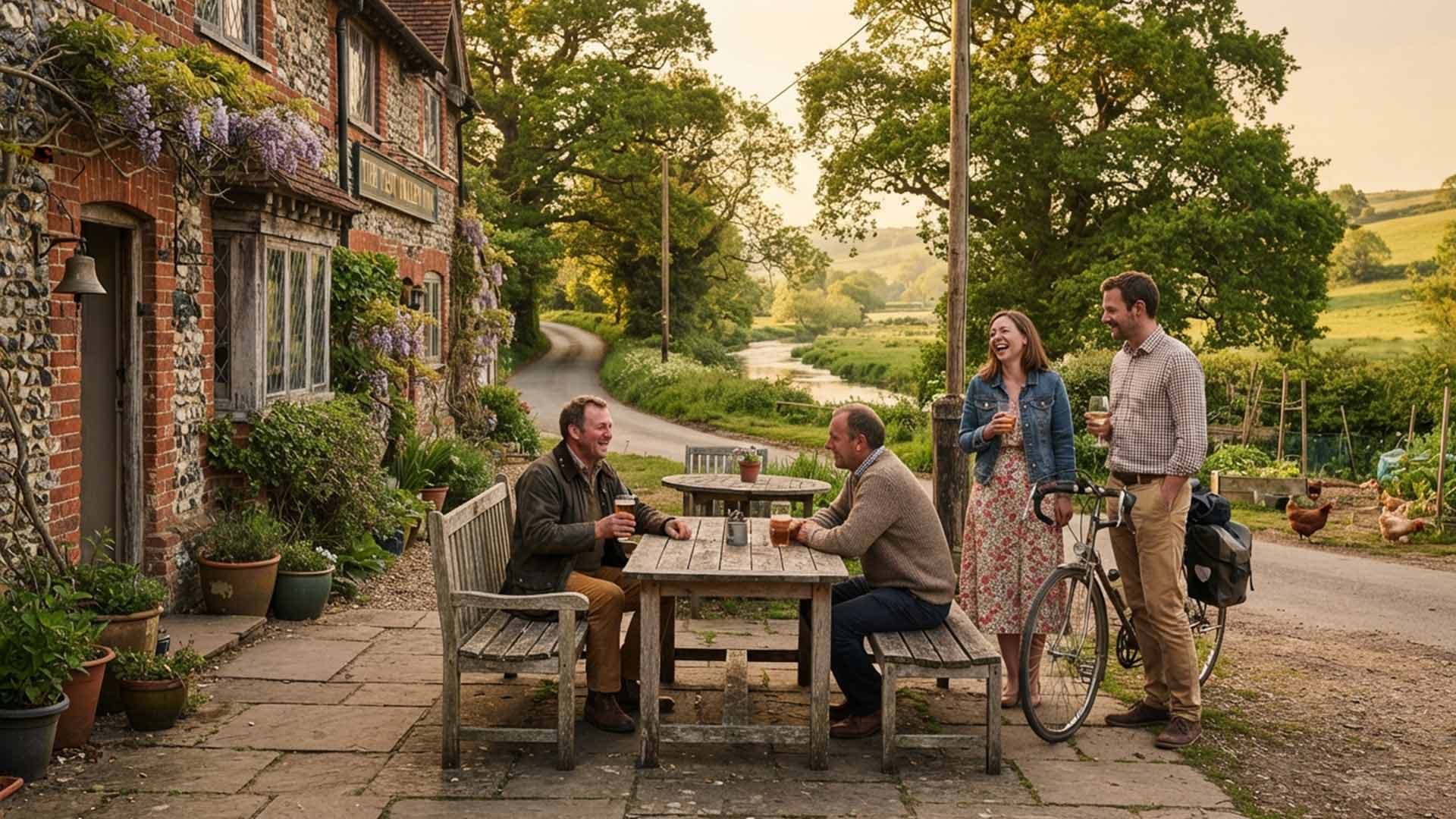
Whitchurch supports a useful range of local amenities, including shops, cafés, pubs, a Post Office, library, churches, community halls, schools, clubs and sports organisations. These facilities allow residents to complete a meaningful part of their daily routine within the town. Basingstoke, Andover, Winchester and Newbury provide wider choices for employment, shopping, healthcare and leisure.
The Silk Mill and its riverside setting provide a distinctive local focal point, while recreation grounds, clubs and routes into the surrounding downs contribute to an active community. Whitchurch feels lived-in and practical rather than dependent on tourism.

Whitchurch has a varied property market that includes:
Historic buildings may feature brick, flint, render, slate, clay tiles and timber framing. Some properties have much older structures behind later façades, so character-home buyers should look beyond the outward appearance. Access, parking, outbuildings, plot shape and garden orientation can vary considerably in the historic centre. Listed status, conservation restrictions and the quality of previous alterations may also affect a property’s value and future potential. Homes close to the River Test should be subject to address-specific flood-risk, drainage and insurance checks. On newer developments, buyers should consider parking, outlook, management arrangements and any planning or construction nearby.

Whitchurch has its own railway station, with services towards Basingstoke and London Waterloo to the east and Andover and Salisbury to the west. Some services continue farther west. Train times, stopping patterns, ticket-office provision, station parking and accessibility arrangements can change. Travellers should consult current information for the particular journey they intend to make.
By road, the A34 can be reached to the west and north west, while the B3400 runs east towards Overton and Basingstoke. Routes south provide access towards the A303. Whitchurch is within reach of several employment centres, although road conditions and journey times vary. Buyers should test their likely journey from the precise property at the relevant time of day.

Whitchurch Church of England Primary School and Testbourne Community School are both located in the town. Having primary and secondary education available locally is a practical distinction between Whitchurch and many of the smaller surrounding villages.
A school’s presence in the town does not guarantee admission. Families should verify the complete property address, admissions year, designated area and any transport arrangements with Hampshire County Council and the individual school. The town’s family appeal extends beyond education. Its compact centre, recreation facilities, library, local clubs and countryside access can all contribute to everyday family life. Buyers may find it helpful to walk the actual routes to school and the railway station at the times they expect to use them.

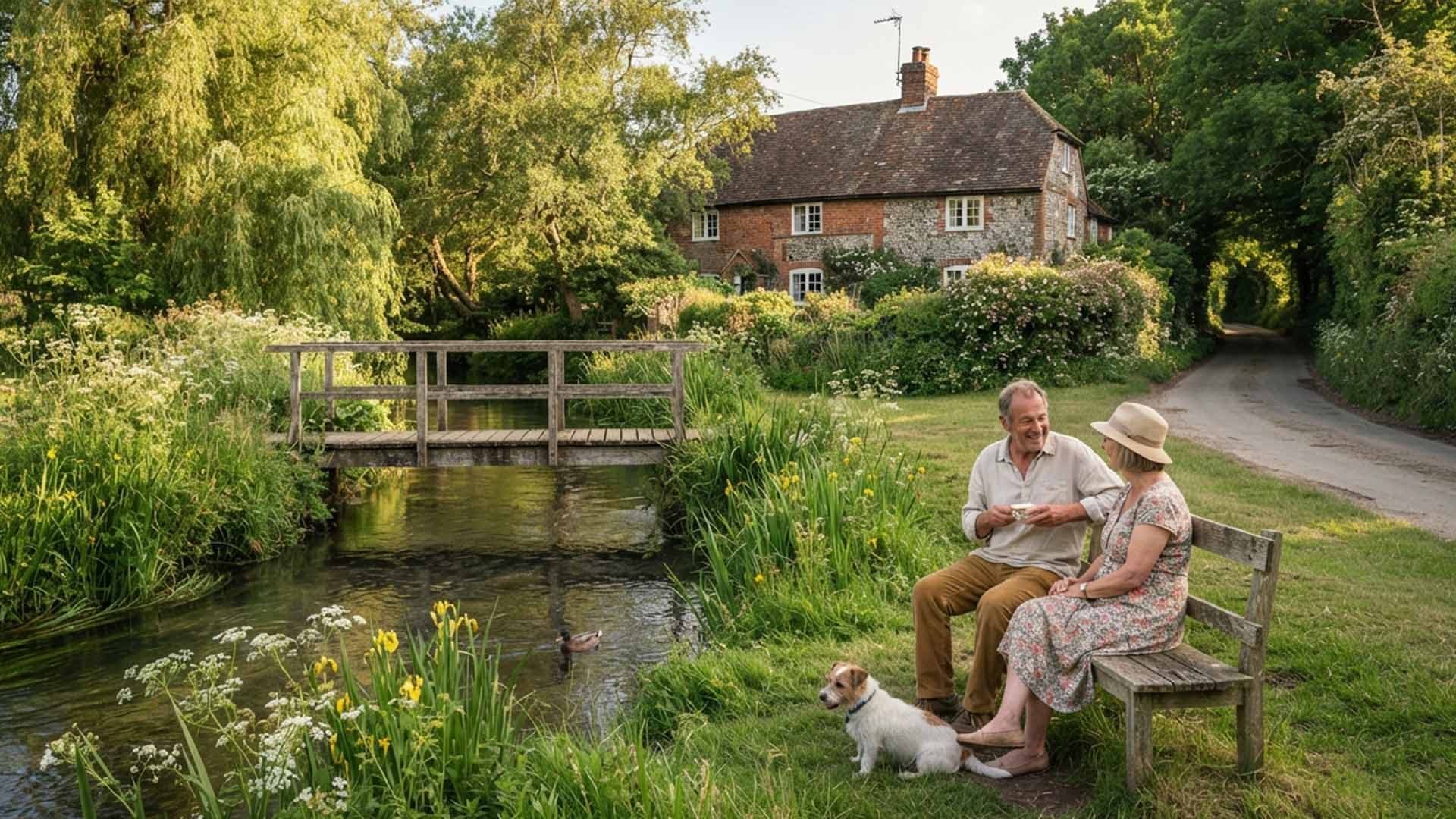
Hurstbourne Priors lies east of Whitchurch beside the River Test. It is a small historic village with cottages, period homes and a conservation-area setting. The village offers a more rural alternative to living in Whitchurch while remaining within reach of its shops, schools and station

Tufton is a small river-valley settlement south-east of Whitchurch. Its housing market is limited and individual, with cottages and country properties appearing less frequently than homes within the town. River proximity, drainage, access and conservation considerations may be particularly relevant when assessing a property.

Laverstoke and Freefolk lie along the River Test towards Overton. Their character is shaped by the river, historic mills, estate land and individual period properties.
These villages sit naturally between the Whitchurch and Overton markets. Buyers may therefore benefit from considering both local area guides when comparing properties.

North-west of Whitchurch, St Mary Bourne and Stoke occupy the Bourne Valley. Their housing includes cottages, period houses, converted buildings and individual rural homes. The valley offers a strong village and countryside setting, although buyers should investigate planning restrictions, conservation status, drainage, broadband and access for the individual property.

Dunley, Egbury and Lower Wyke are small hamlets and dispersed rural locations around the Bourne Valley. Property supply is limited and often consists of cottages, farmhouses, converted buildings and individual country homes. A car is likely to be important for daily life, and buyers should check private services, broadband and mobile coverage.

Litchfield, Cole Henley and Woodcott lie in the downland north and north-west of Whitchurch. They are particularly relevant to buyers seeking rural, equestrian or country property. These are distinct rural communities rather than Whitchurch neighbourhoods, with fewer nearby services and highly individual homes.
Whitchurch offers three broad choices: a walkable historic-town setting, an established family neighbourhood or a smaller surrounding village where a car is more important. Buyers should check the route to the railway station, parking, flood and drainage information, broadband, mobile coverage and the availability of everyday services from the precise address. For sellers, marketing should focus on what genuinely distinguishes the home. This might be a central position, period construction, a view or footpath towards the River Test, walking access to schools and the station, or a quiet Bourne Valley or downland setting.
Accurate place names are important. A property in St Mary Bourne or Hurstbourne Priors should retain its village identity, with Whitchurch presented as the nearby service and transport hub rather than used as a substitute address. Brockenhurst’s local team can help buyers compare Whitchurch with its surrounding villages while helping sellers explain the individual setting and features of their property.