Discover life in Overton and the upper Test Valley, including local homes, High Street amenities, schools, transport and nearby villages such as Laverstoke, Freefolk and Ashe.

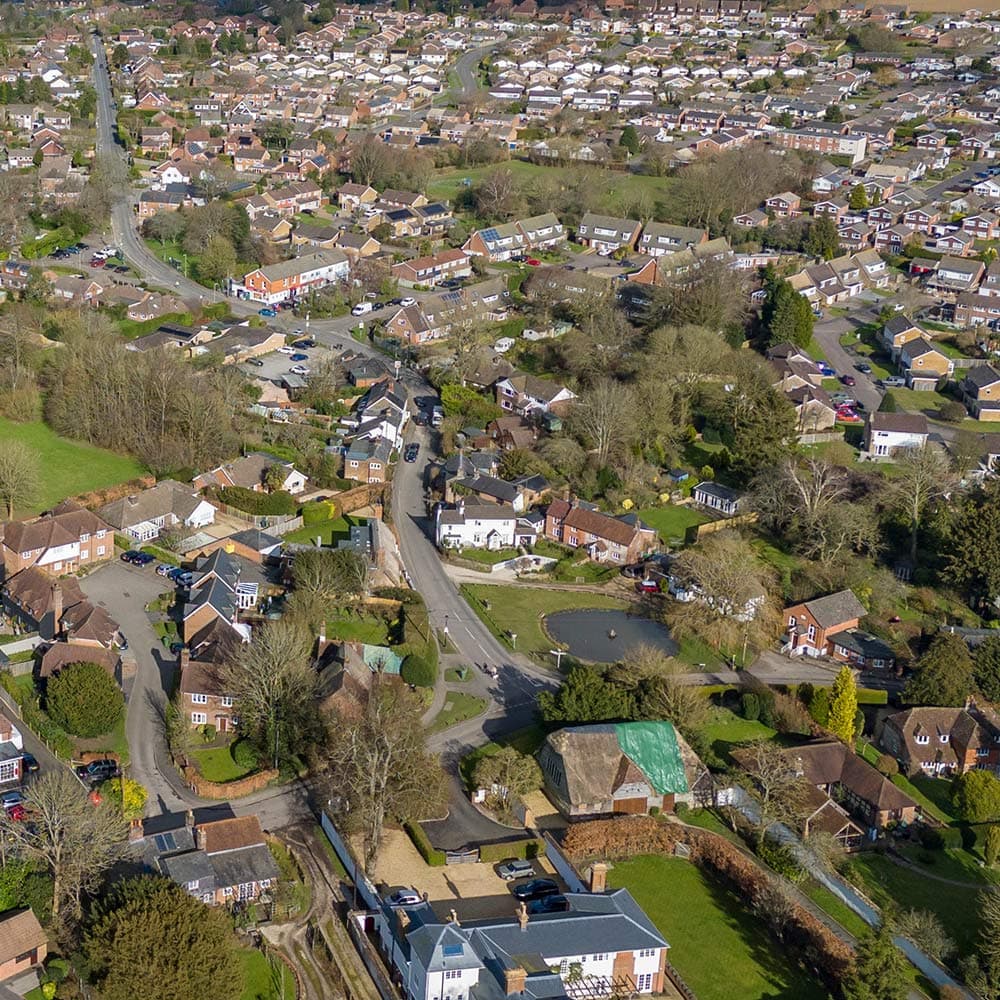
Overton is large enough to support a useful High Street and its own railway station, yet small enough for the River Test, surrounding countryside and village events to remain part of everyday life. Its property market is equally varied. Buyers can choose from character homes in the historic centre, Victorian and later streets, established family neighbourhoods and modern properties around the village edges.

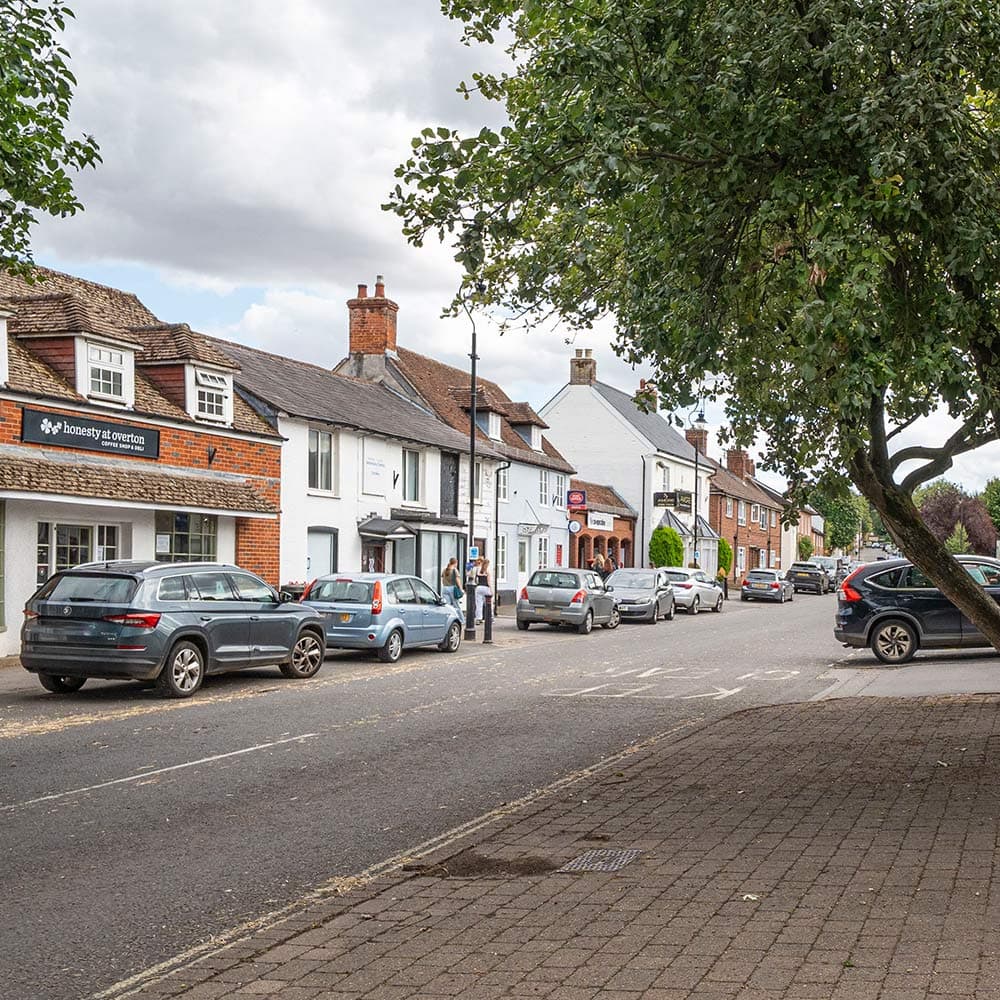
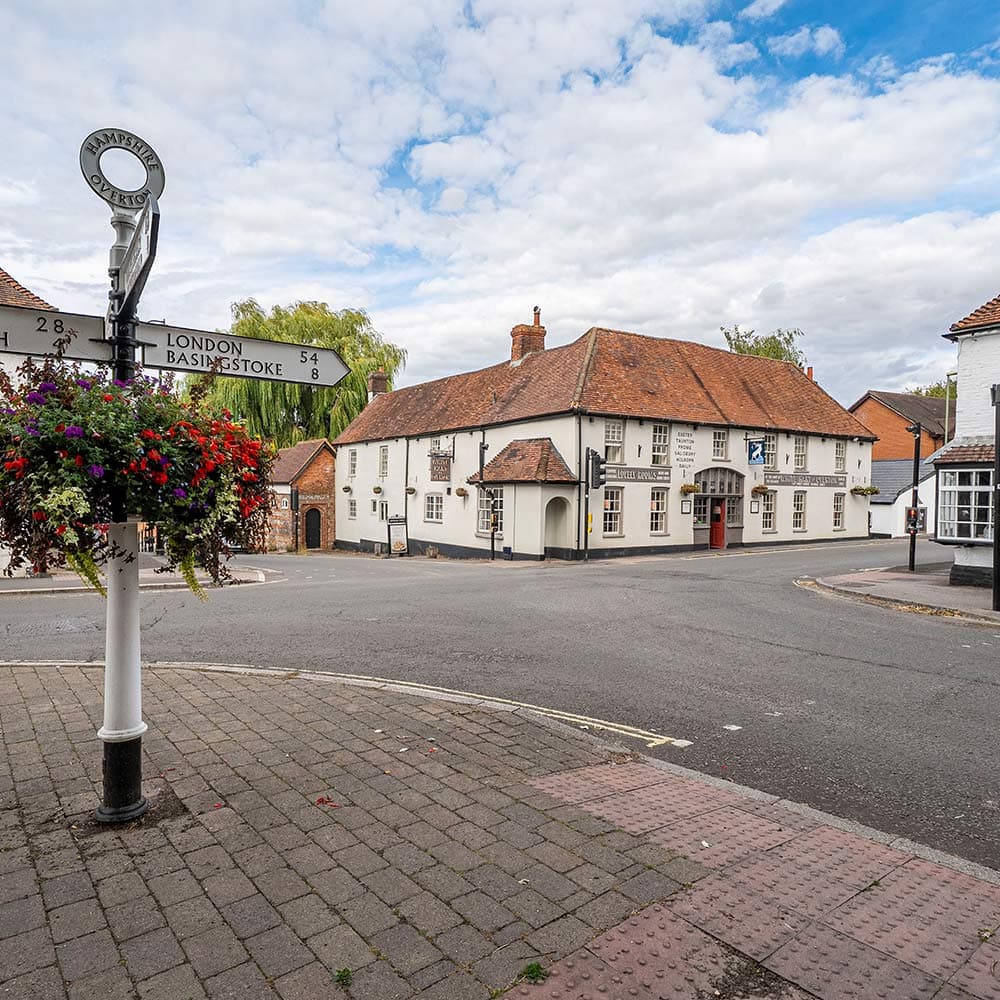
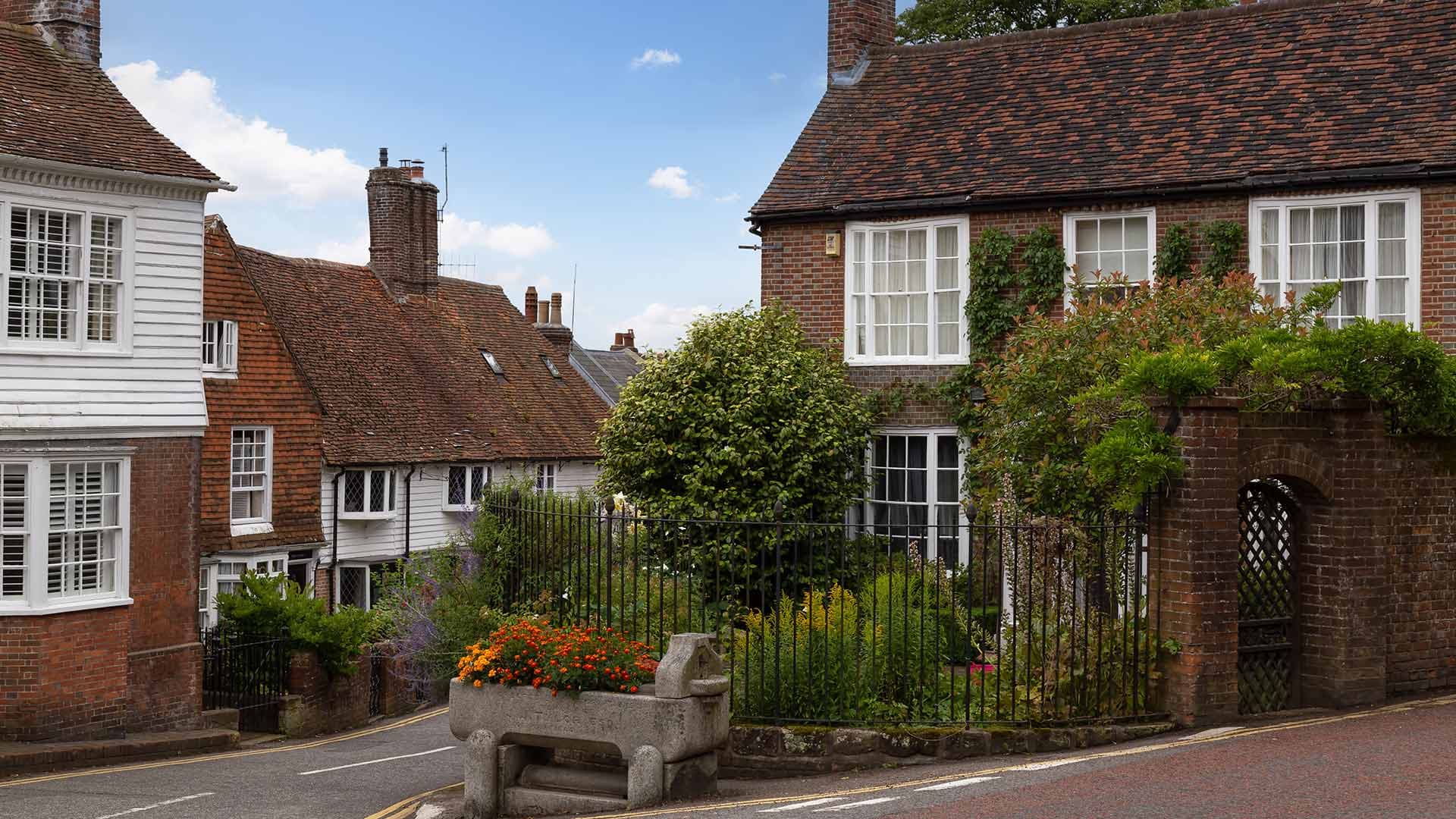
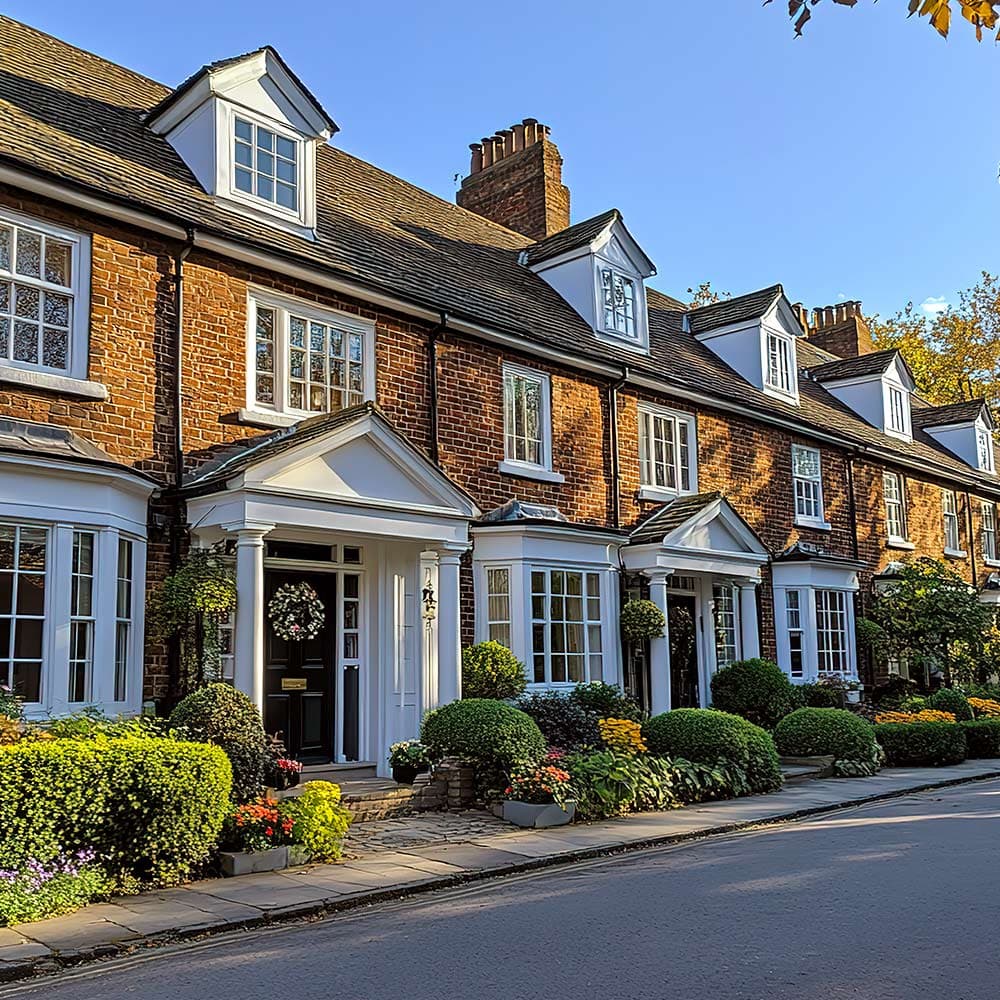
Overton follows the River Test, which rises near Ashe to the east. The historic centre is focused around the High Street and Winchester Street, but the older settlement includes several areas with distinct identities: the historic core, the church and its surroundings, Quidhampton and Polhampton, and Southington, Lynch and Town Meadow. These local names help explain why different Overton addresses can feel so varied. One property may sit close to the shops and activity of the village centre, while another overlooks water meadows or occupies a quieter position near the countryside. Overton’s centre is attractive but lived-in. Buildings sit close to the pavement along parts of the High Street, while side roads, courtyards and river crossings open out behind it. Traditional materials include red brick, render, clay tiles, slate, timber framing and occasional thatch. Beyond the historic core are conventional 20th-century neighbourhoods and newer family developments, giving buyers more choice than the word “village” might initially suggest.

Independent shops, cafés, pubs and essential services give Overton High Street a genuine everyday role. Local clubs, organisations and events contribute to an active community, while
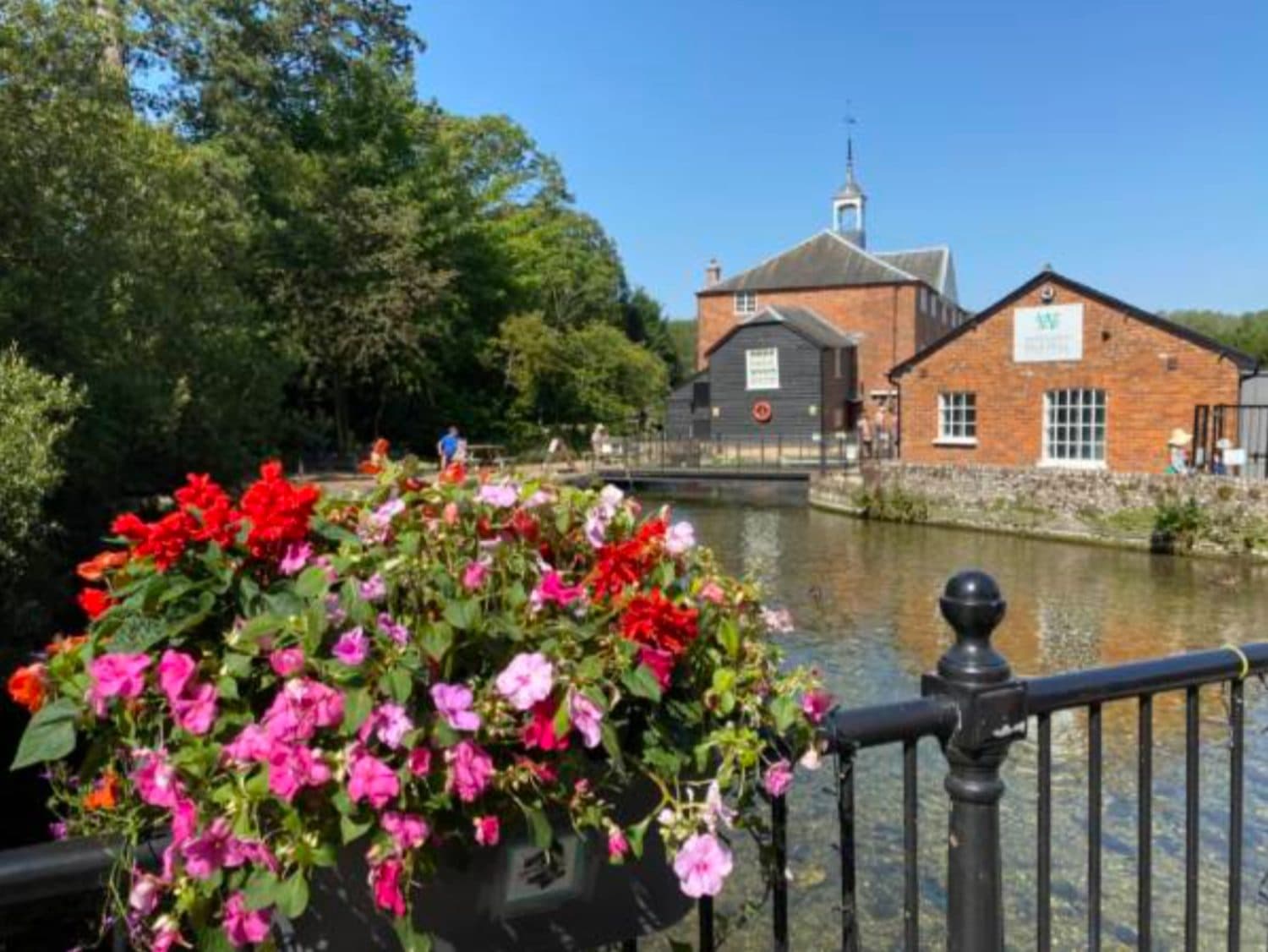
the River Test and nearby lanes provide easy access to the countryside. Laverstoke Mill and the Bombay Sapphire visitor attraction lie west of Overton towards Freefolk. They are well-known local landmarks, although Laverstoke and Freefolk retain their own separate identities. For a broader selection of shopping, employment, healthcare and leisure facilities, residents can travel to Basingstoke, Whitchurch or Andover, depending on their needs and direction of travel.

Overton offers a particularly broad range of property, including:
Period homes can provide historic detail, individuality and a central setting, but buyers should consider parking, older construction, listed-building or conservation restrictions and possible flood-risk enquiries close to the river. Newer homes may answer modern requirements for parking, energy efficiency and practical layouts more directly. Buyers should still check estate position, management arrangements and any planned development nearby. Property values can vary significantly across Overton. Micro-location, river and flood context, parking, condition, plot size and access to the station can create meaningful differences between otherwise similar homes.

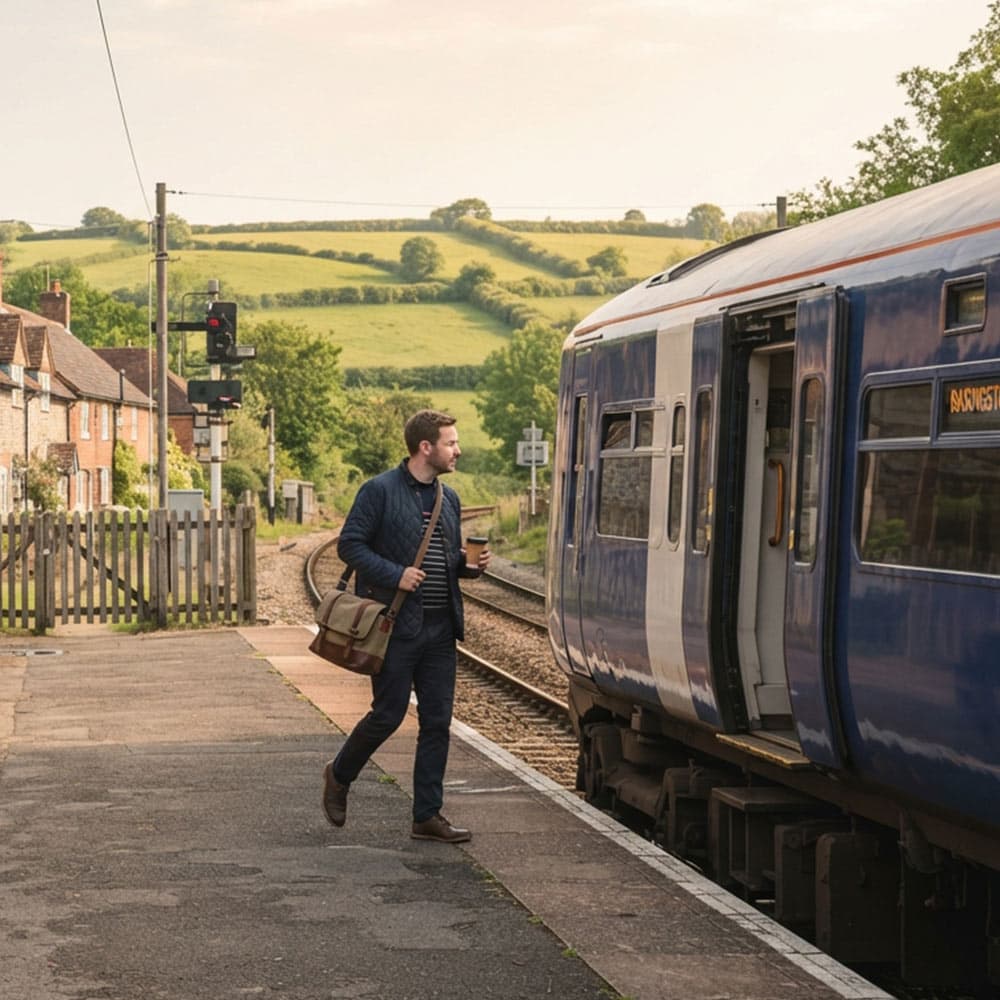
Overton has its own railway station on the route between Basingstoke and London Waterloo to the east and Andover and Salisbury to the west. Services, journey times, ticketing, parking and accessibility arrangements can change, so travellers should consult current information for the journeys they expect to make. By road, Overton lies on the B3400 between Basingstoke and Whitchurch. Other routes provide access south towards the A303 and north into the surrounding downs. The village is within reach of several employment centres, although road conditions and journey times vary during busy periods. Buyers should check the complete door-to-door journey at the times they expect to travel rather than rely on a single quoted commute.

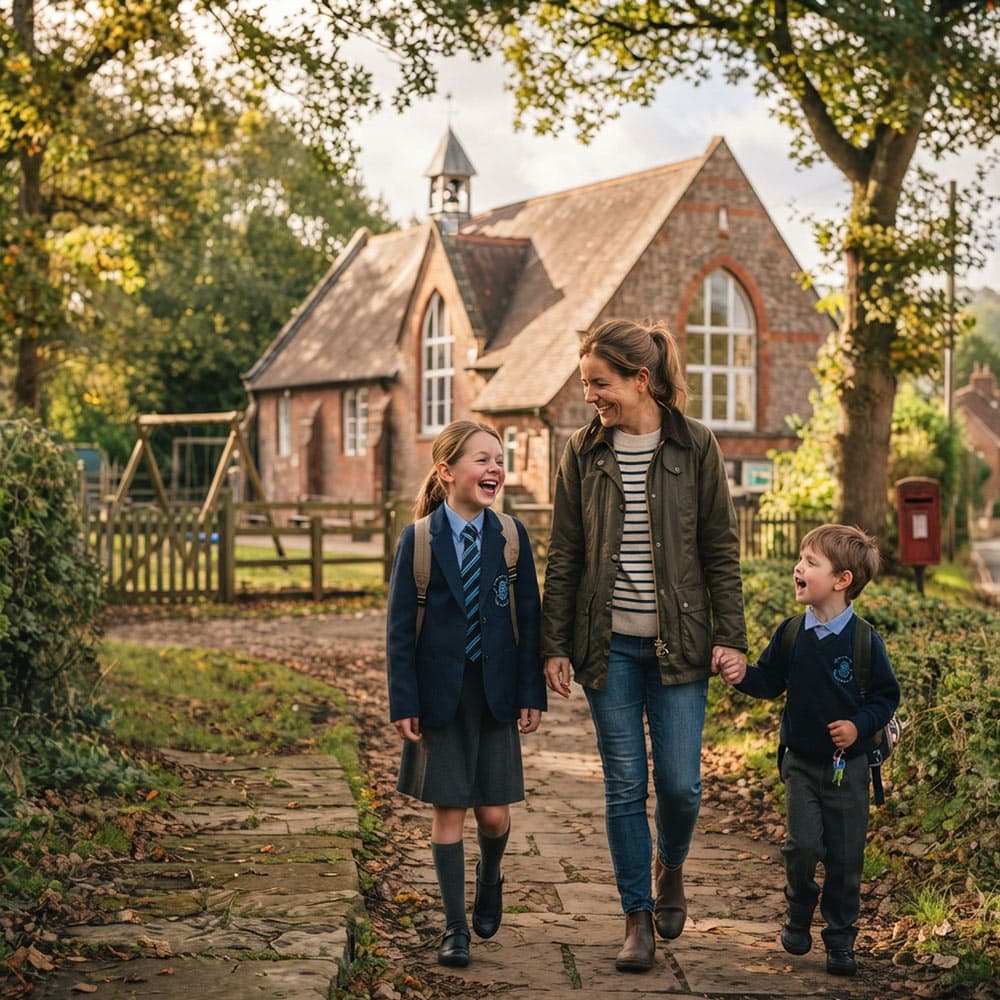
Overton Church of England Primary School provides education in the village, with current information about its age ranges, admissions and childcare available directly from the school.
Families should confirm primary and secondary school arrangements for the complete property address through Hampshire County Council. Admissions policies, designated areas and transport arrangements can change, and proximity to a school does not guarantee a place. Overton’s appeal to families extends beyond formal education. The village offers opportunities to walk into the centre, take part in local recreation and reach the surrounding countryside. Buyers should test these everyday routes from the property itself, particularly where a main road or the hill towards the station is involved.

Ashe is a small rural settlement east of Overton, close to the source of the River Test. Housing is limited and generally consists of cottages, farmhouses and individual country homes rather than larger developments. It may appeal to buyers seeking a more rural setting while remaining within reach of Overton’s shops and railway station.

Laverstoke and Freefolk lie west of Overton towards Whitchurch. The villages have a distinctive river-valley setting shaped by historic mills, estate land and character properties. Their housing includes cottages, converted buildings and individual homes. Conservation, river proximity, drainage and access may all be relevant considerations for particular properties.

Quidhampton, Polhampton and Southington are historic parts of Overton rather than separate surrounding villages. Their names remain useful when describing a property’s precise position and relationship with the village centre, river and surrounding landscape. Buyers should use these micro-locations when comparing homes, as different parts of Overton can offer noticeably different settings

South-east of Overton, North Waltham provides a different balance of village living and access towards the A30 and M3. It can be a useful alternative for buyers whose regular journeys are focused east or south.

Steventon and Deane are small rural settlements between the Overton and Oakley areas. Their property markets are characterised by cottages, farmhouses and individual country homes. They are relevant to some Overton searches, although buyers may also wish to consult the dedicated Oakley guide for wider local context. Whitchurch, Hurstbourne Priors and St Mary Bourne have
Overton should not be viewed only as a commuter village. Buyers should decide whether their priority is walking to the railway station, living close to the High Street, overlooking the river and water meadows, or having a driveway and modern layout. Flood risk, listed status, conservation restrictions, planning history and broadband should be checked for the individual property rather than inferred from the village as a whole. For sellers, the precise location should be central to the marketing. High Street convenience, station access, a Quidhampton or Southington setting, river proximity and an edge-of-village outlook will appeal to different buyers. Clear information about parking, alterations, nearby watercourses and onward travel can build confidence and reduce avoidable complications later in the transaction. Brockenhurst’s local team can help buyers understand Overton’s different settings and surrounding villages while helping sellers present their homes accurately to the most relevant audience.