A local guide to living in Andover, from its town neighbourhoods and railway station to Abbotts Ann, the Clatfords, Weyhill and the Pentons.

Nestled in North West Hampshire, Andover is a market town offering a balance of town and country living. Popular with families, professionals and commuters, the town benefits from good transport links and a range of shops, restaurants and leisure facilities. Andover offers a selection of Good and Outstanding-rated schools, making it a popular location for families.
With direct rail services to London Waterloo, easy access to the A303 and beautiful countryside on its doorstep, Andover has become an increasingly popular choice for those seeking more space and value for money while remaining well connected.
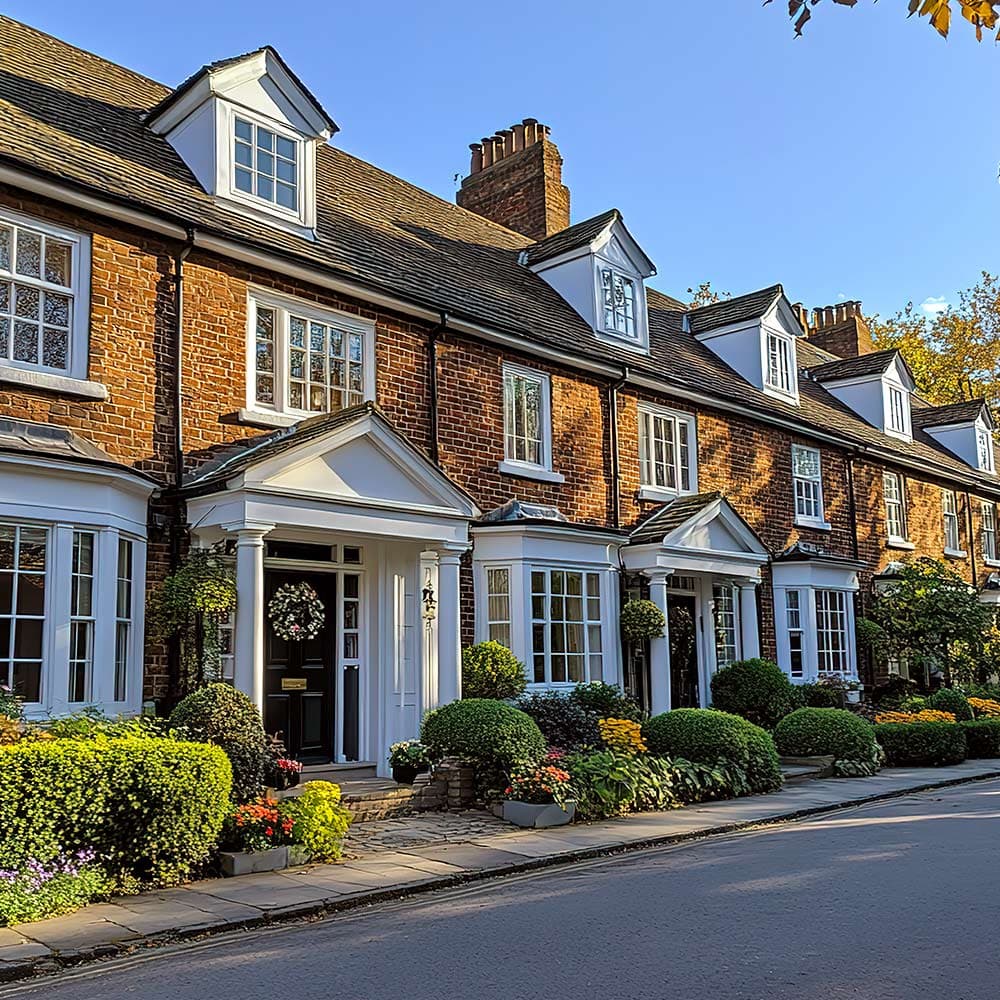
Offering a diverse mix of property styles, from modern developments and family homes to character cottages and apartments, Andover has something to suit every stage of life. On a whole, Andover offers better value for money than other Hampshire towns, so may be an attractive choice for buyers or tenants.

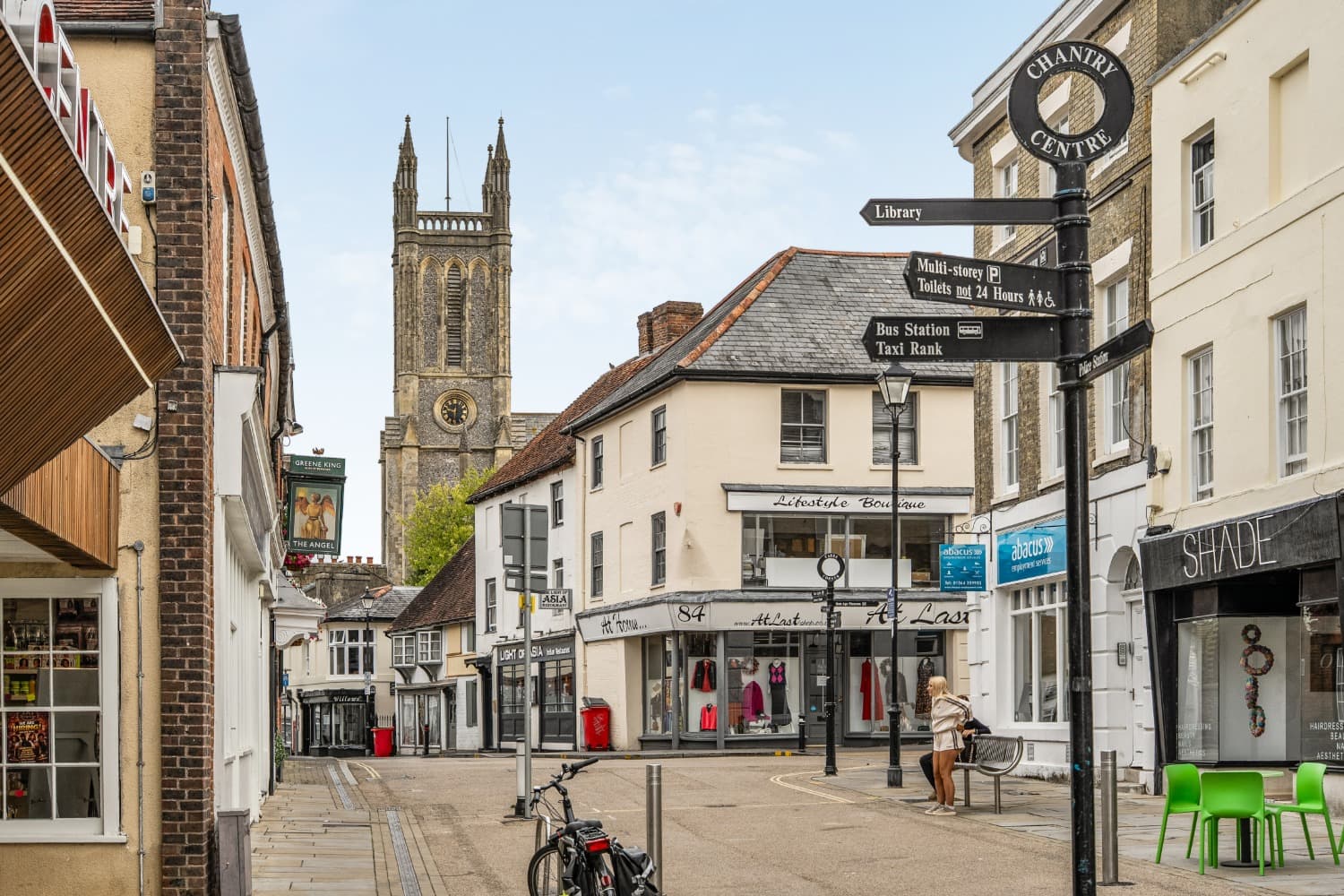
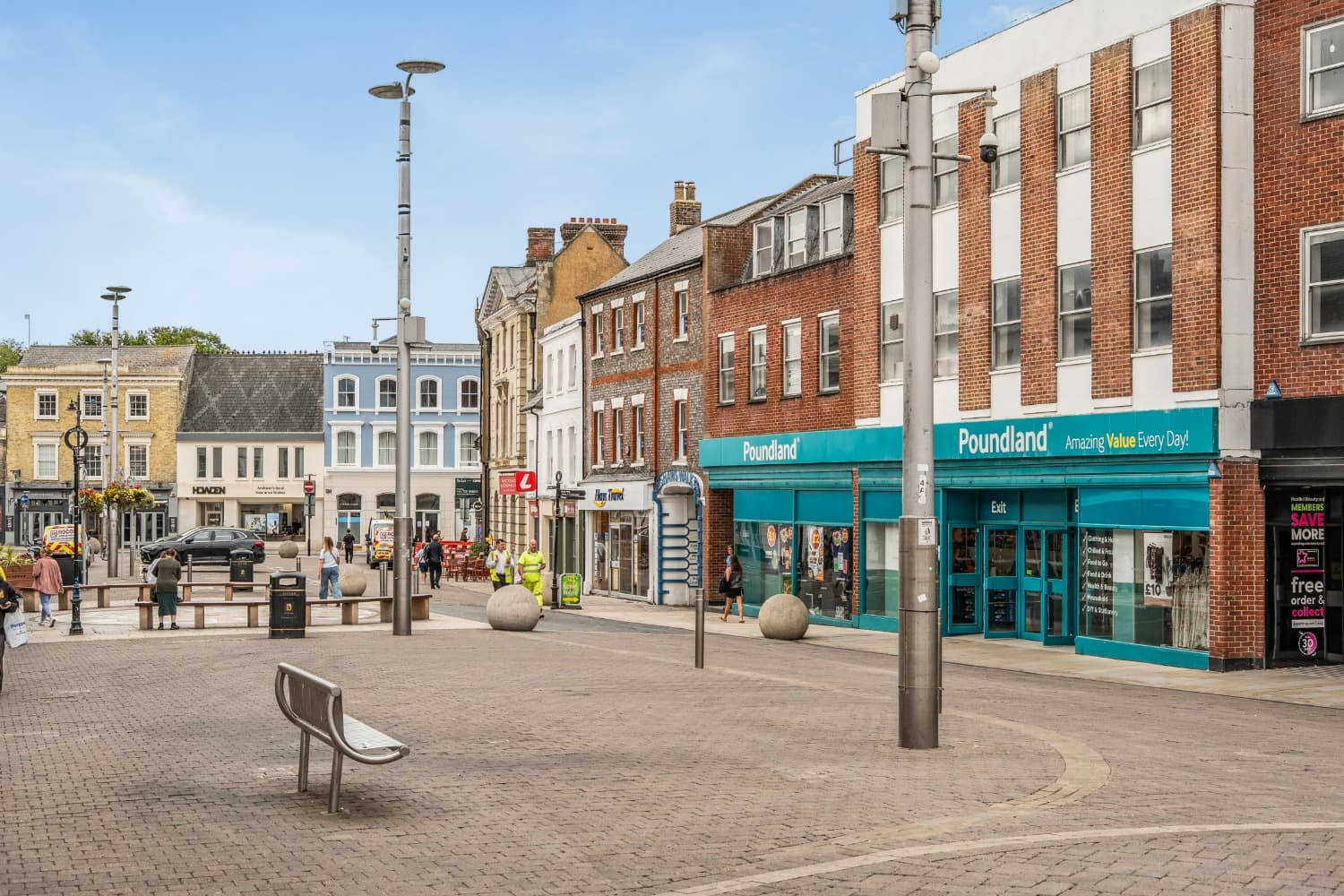
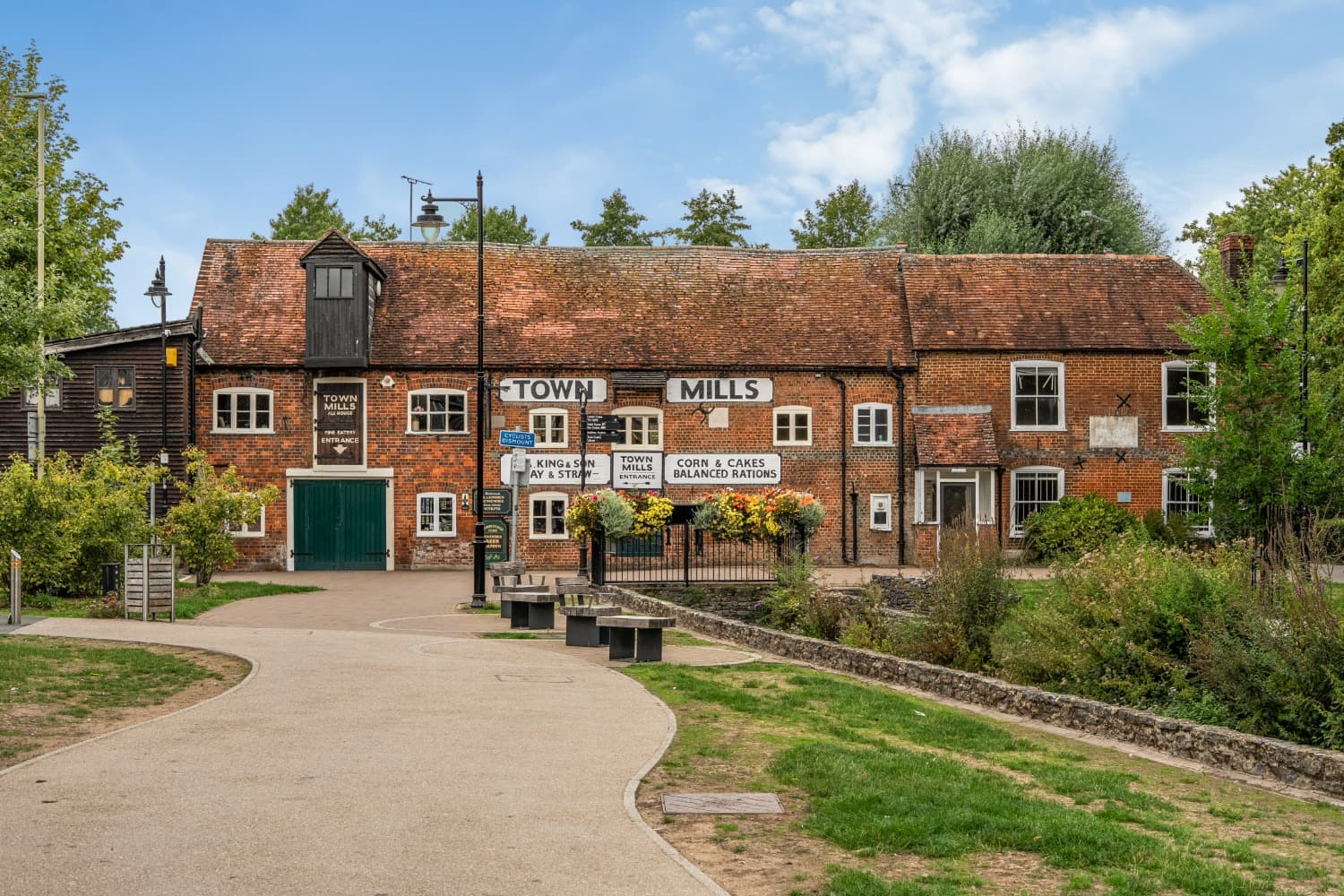
Andover is a practical Hampshire market town with a wider choice of homes than its compact centre first suggests. It sits in the Test Valley, with the A303 running along its southern side and the railway station just north of the centre. That makes it possible to combine an everyday town base with quick access to open country and to choose between a recognisably urban neighbourhood, a newer edge-of-town development or one of the villages within a few miles. The centre retains its market-town scale rather than feeling like a small city. The Chantry Centre, High Street and adjoining streets cover day-to-day shopping and services; larger retail and employment areas sit around the edges.
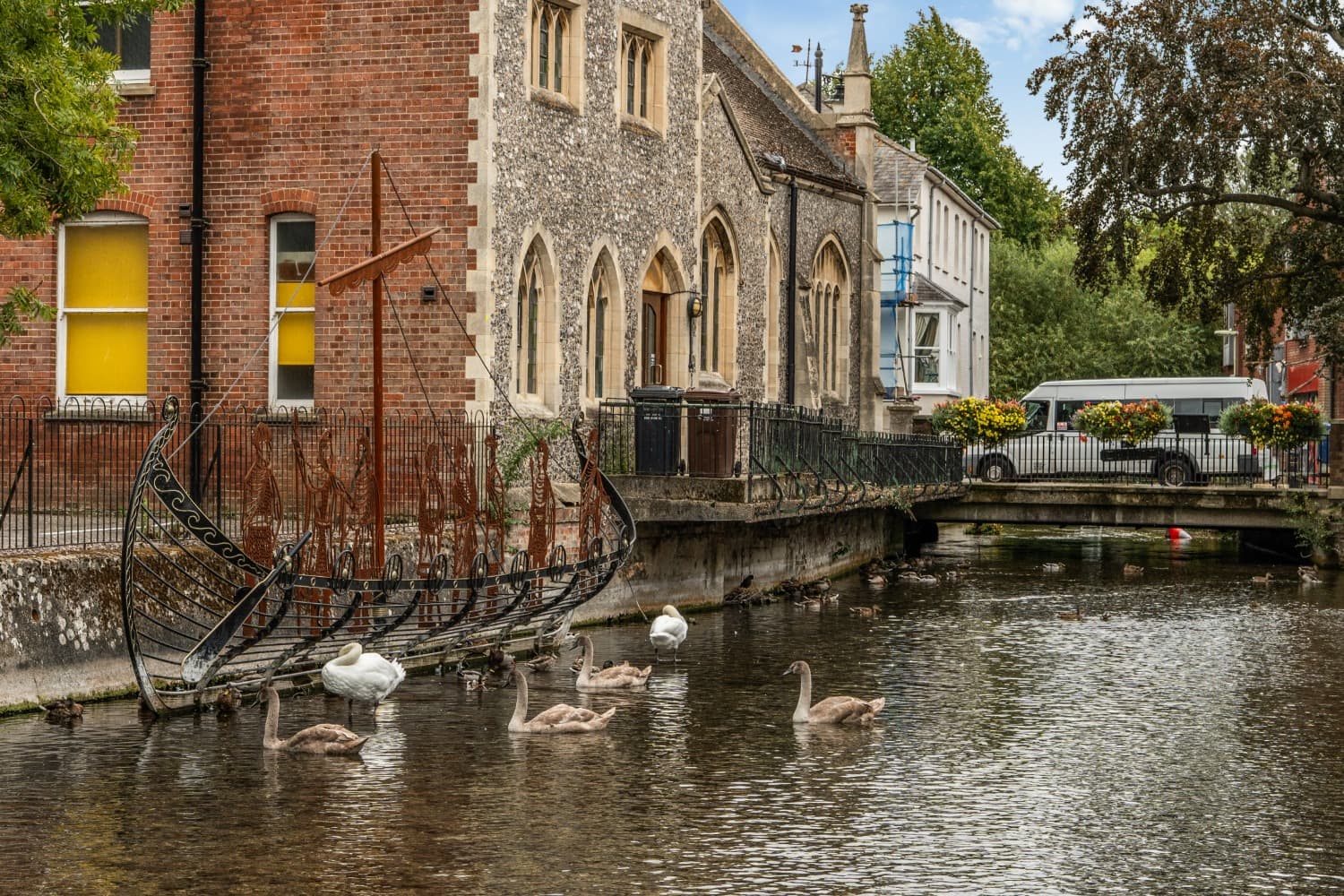
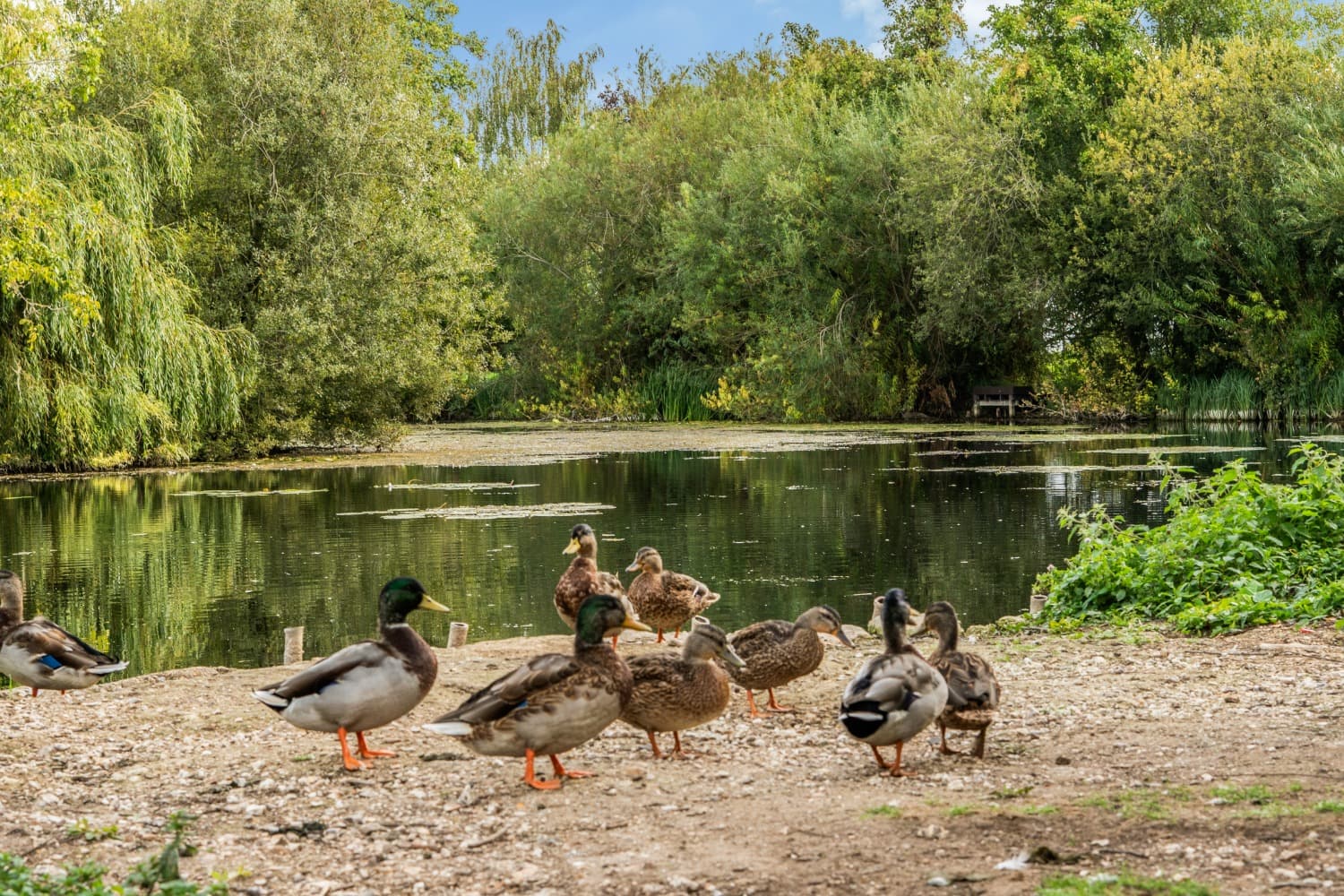
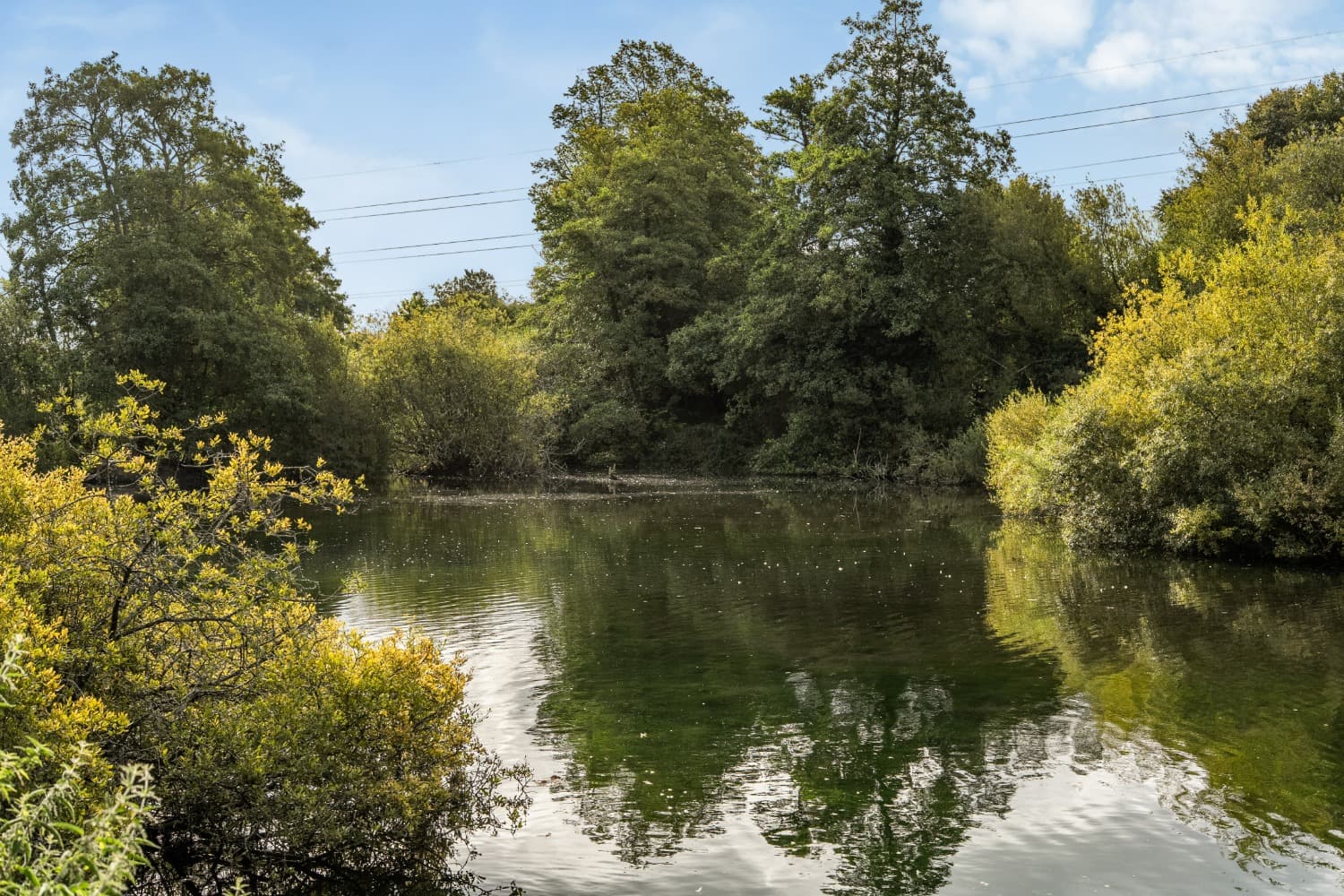
The Lights provides theatre and live entertainment, Andover Leisure Centre is close to the town centre, and the Museum of the Iron Age and Andover Museum occupy the former school building on New Street. For time outdoors, Anton Lakes Local Nature Reserve is a particularly useful local asset: chalk-stream habitat, lakes and paths on the northern side of town rather than a destination that requires a long drive

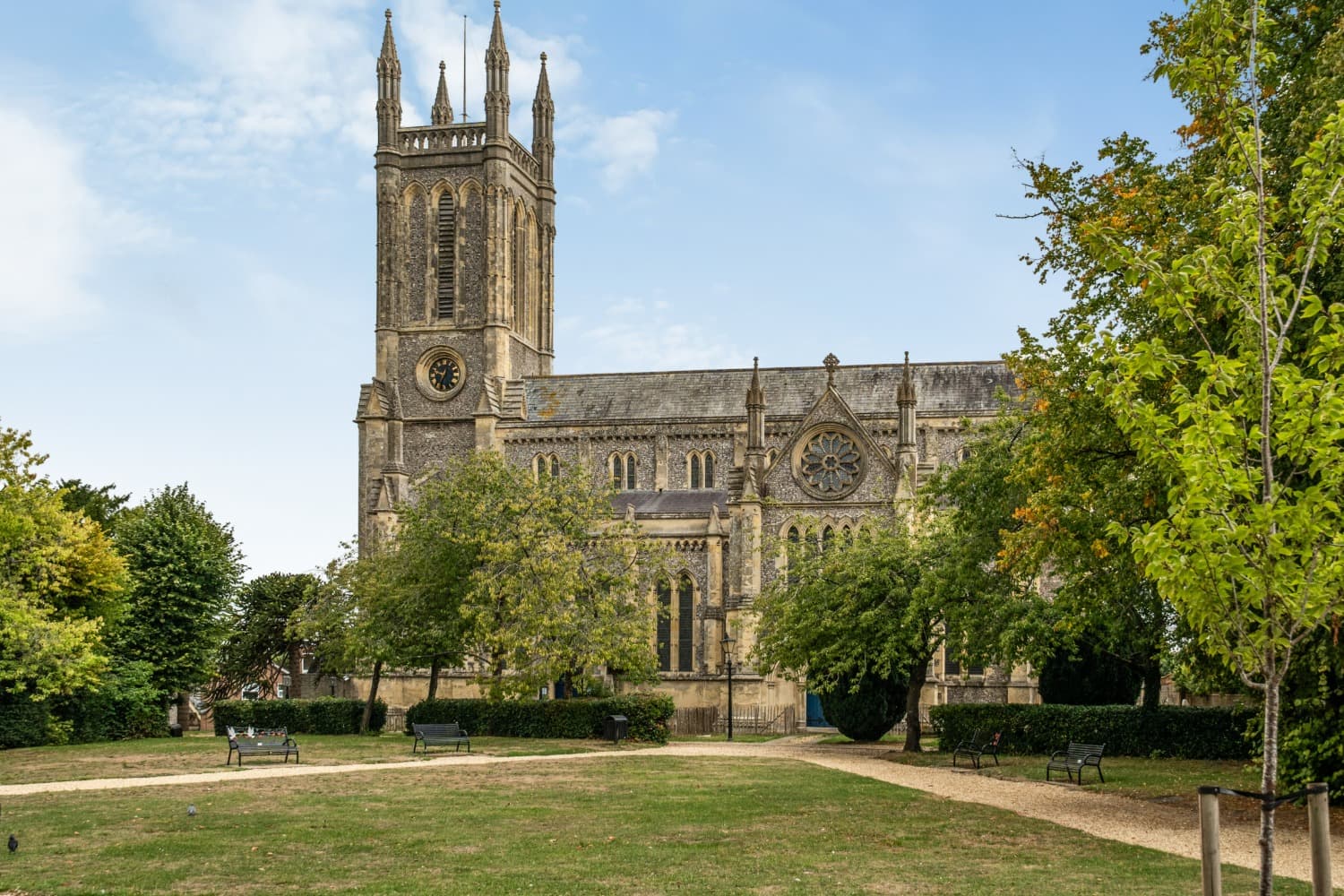
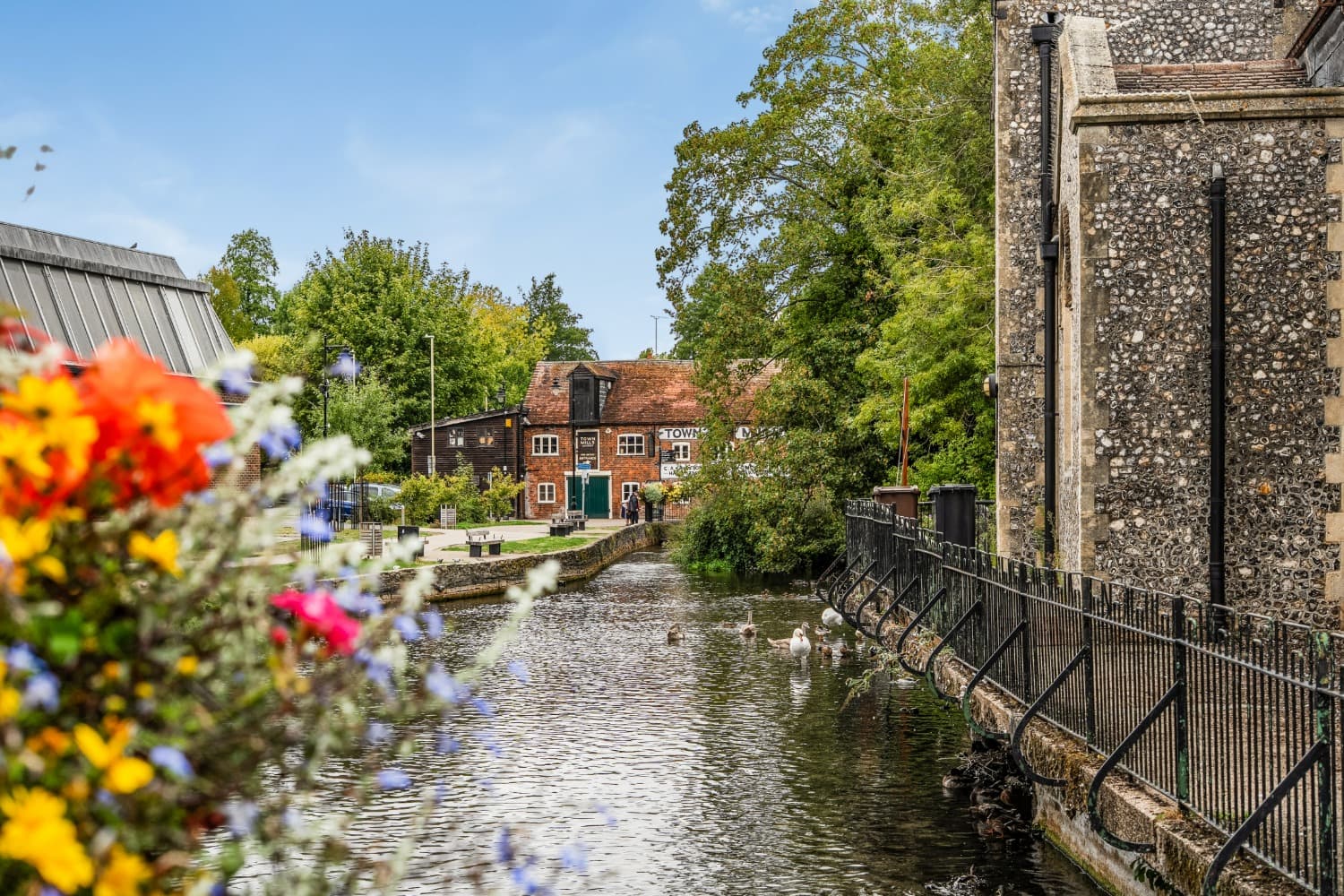
Andover works well for households that want most essentials nearby. There are supermarkets, health services, sports facilities and a range of nurseries and schools across the town. Weekends can be town-based, but the Test Valley landscape is never far away: the River Anton and its tributaries shape the area, and the lanes west and south of town quickly lead into chalk downland and traditional villages. The town is also a sensible base for people whose week is split between different places. The A303 connects east towards Basingstoke and the M3 and west towards Amesbury and the A34 corridor via the A343; the A342 and A338 serve the north-west and north-east. Andover station is managed by South Western Railway and lies on the West of England route. Services and journey patterns change, so buyers should check a live timetable for the days and times they expect to travel rather than rely on a quoted commute.

Andover has primary and secondary provision within the town, with village primaries in several surrounding communities. However, a nearby school is not the same as a guaranteed place.
Admissions areas, published admission numbers, transport arrangements and inspection judgements can all change. Families should check the precise address against Hampshire County Council’s current school finder and admissions information, then confirm arrangements directly with the school.
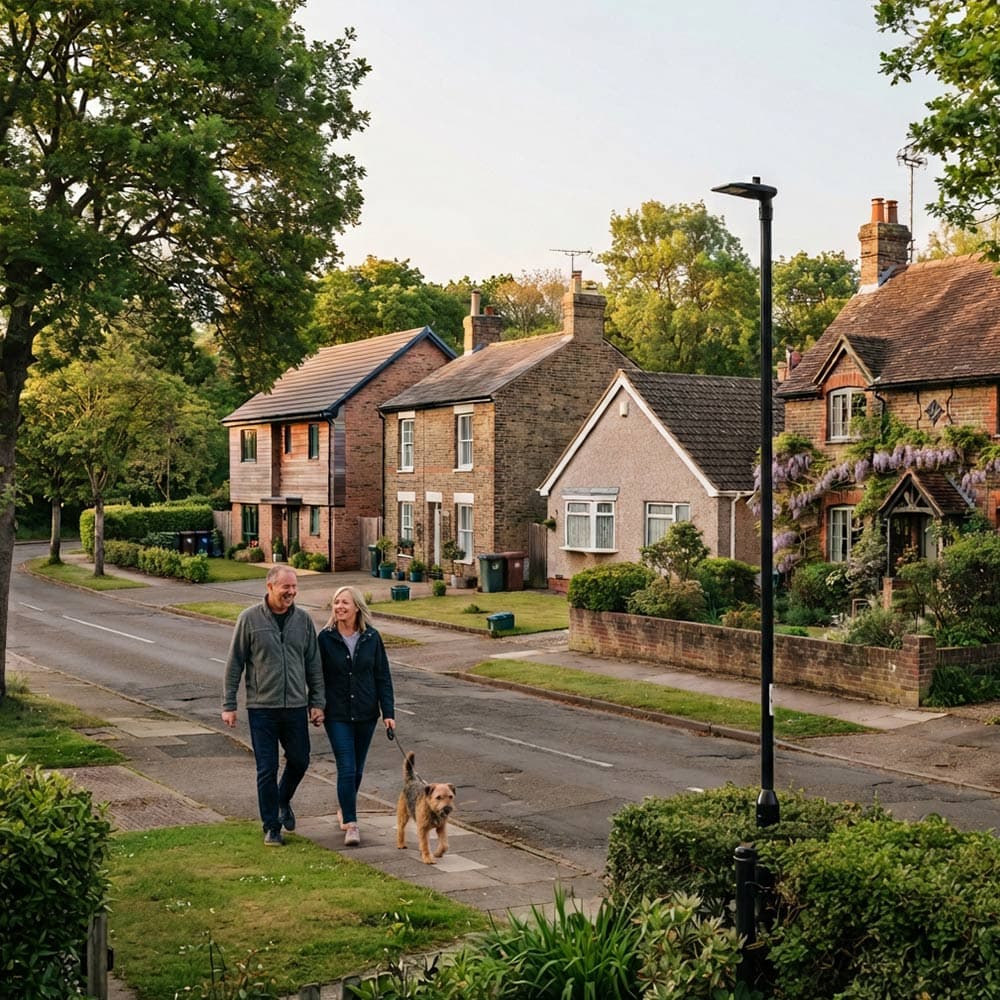
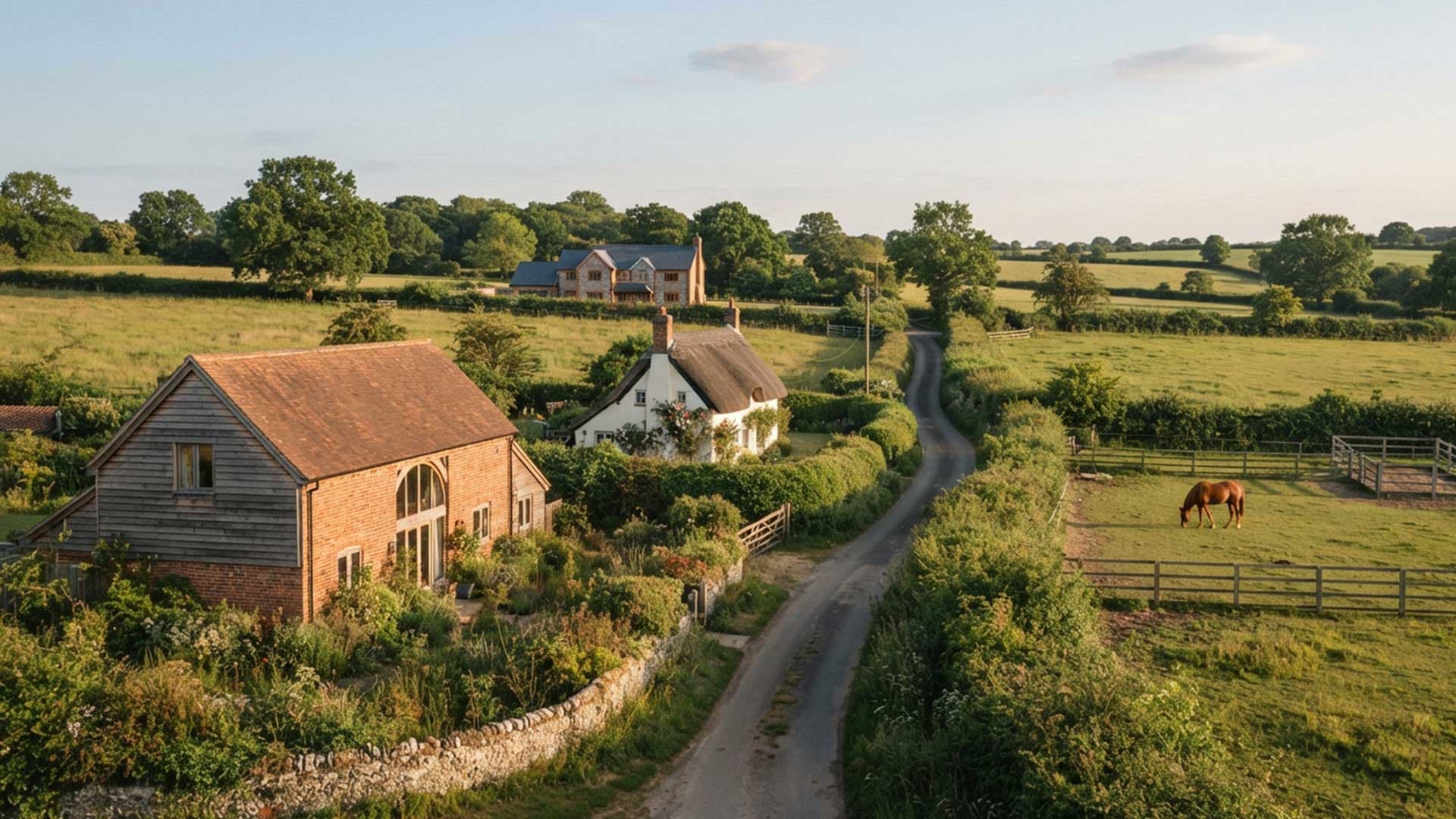
Surrounded by the beautiful Test Valley countryside, the villages around Andover offer a wonderful blend of rural charm, community spirit and convenient access to the town’s amenities. From picturesque thatched cottages and village greens to modern family homes and countryside walks, there is something to suit every lifestyle.

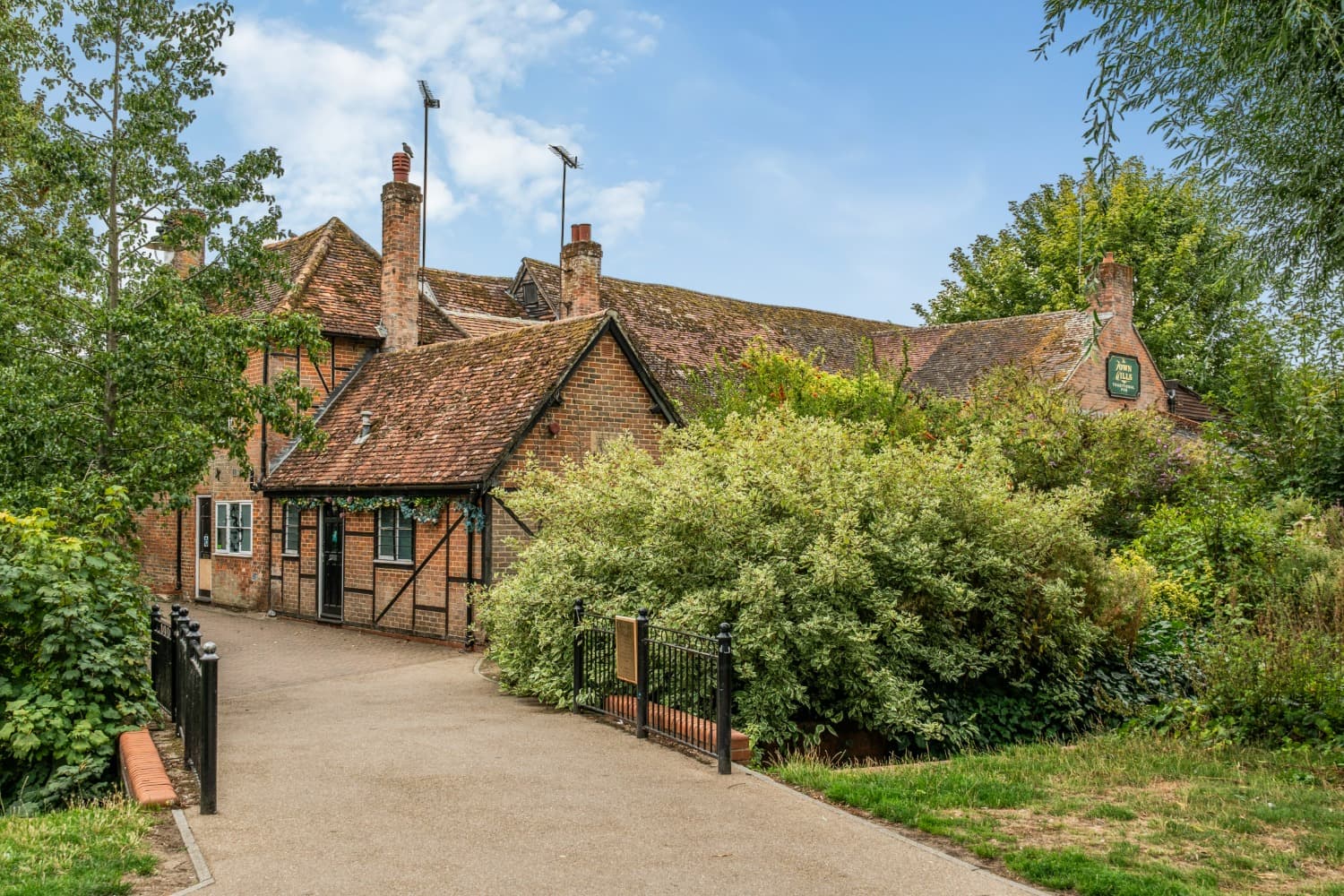
South-west of town, Abbotts Ann is one of the area’s best-known traditional villages. It has a primary school, church, pub and community-run village shop, with a mixture of thatched cottages, brick-and-flint houses, former estate homes and later family properties. Little Ann and the lanes towards Monxton give the wider parish a more dispersed rural character. It suits buyers who want village identity without being detached from Andover’s shops and station

These neighbouring settlements follow the Pillhill Brook south of Andover. Anna Valley feels closely connected to the town, while Upper Clatford has a more defined village centre, church and primary school. Housing ranges from period cottages and individual houses to established twentieth-century homes. Riverside and low-lying locations should always prompt address specific flood-risk and insurance checks; broad village descriptions are not a substitute for a property search.

Further south, Goodworth Clatford has a strong village centre and a more rural setting in the valley. Period cottages, larger individual houses and later infill sit among mature lanes. It tends to suit buyers prioritising village surroundings and local community over being within walking distance of Andover’s station.

Charlton is immediately north-west of Andover and blends into the town while retaining its own identity. It is a practical choice for access to Anton Lakes, Charlton Lakes and the station side of town.
The housing is broad rather than uniformly “village”: cottages and older houses sit alongside bungalows, semis and later development.

West and north-west of Andover, these villages have straightforward access to the A303 and the western side of town. Weyhill has a mixture of historic roadside buildings, modern homes and the craft setting at the Fairground. The Pentons are more rural, with cottages, former farm buildings and individual family houses. Buyers should distinguish carefully between addresses that are walkable to local facilities and those where a car will be part of everyday life.

This is the more rural western arc of Andover’s market. Amport and Monxton are small, attractive villages with period homes and strong landscape appeal; Appleshaw is a little larger and has a more varied stock; the Chute villages sit further into the North Wessex Downs. These are genuine country locations rather than Andover suburbs, and mobile coverage, broadband, private drainage, oil or LPG heating and drive times should be checked property by property.

North of Andover, the housing becomes more scattered and agricultural in character. Expect converted barns, cottages, equestrian homes and individual modern houses alongside modest village homes. These locations can work well for access towards Newbury via the A343, but daily convenience varies considerably by exact address.
For buyers, the important decision is not simply town or village. It is how much weight to give the station, A303 access, walking distance to amenities, garden and parking, and the upkeep
that can come with an older rural home. For sellers, accurate positioning is equally important: a town-centre period terrace, a Picket Twenty family house and a cottage in Monxton need different photography, launch language and buyer targeting. Brockenhurst opened its first office in Andover in 1999. Our local team can help buyers compare the town’s neighbourhoods with the surrounding villages — and help sellers explain the details of a location that an out-of-area buyer might otherwise miss.